
Windows 11 gives you three different ways to format a microSD card, and each is useful in a different situation. The catch is that all three erase the card — and a slip in any of them can wipe the wrong drive or destroy files you meant to keep. This guide covers the safe way to format a microSD on Windows 11 in 2026 using File Explorer, Disk Management, and diskpart, which file system to choose, and how to recover a card you formatted by mistake.
From the engineers at CBL Data Recovery Singapore, who recover data from formatted SD cards every week.
First: back up the card
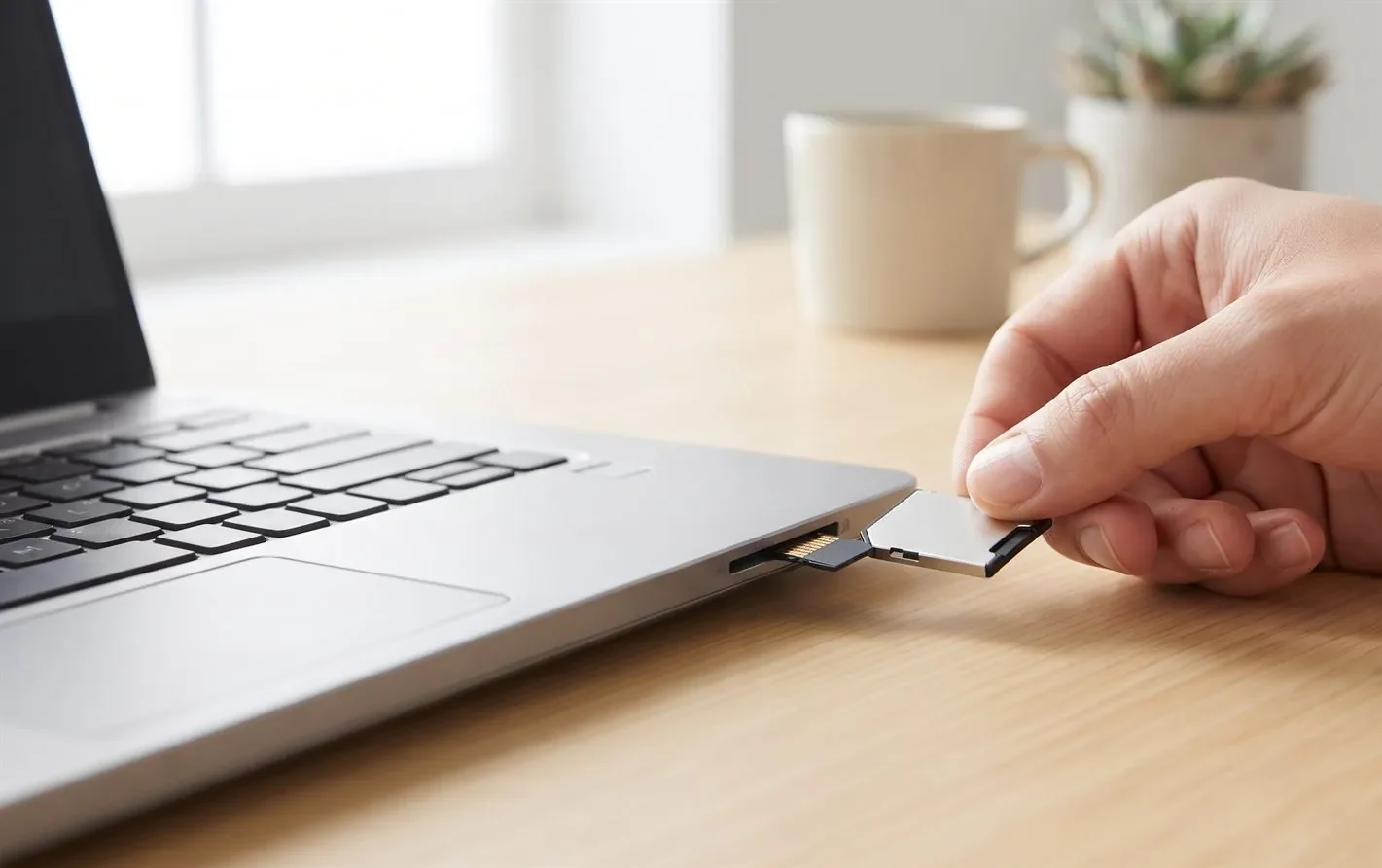
Formatting removes the card's file system, making everything on it inaccessible. So before you do anything, copy off any files you want to keep. Only format a card that's genuinely empty or already backed up. You'll need a microSD-to-SD adapter or a USB card reader to connect the card to your PC.
Which file system should you choose?
- exFAT — the best choice for cards 64GB and larger. It works across Windows, Mac, cameras, drones, and Android, with no practical file-size limit. Use this for most cards.
- FAT32 — needed by some older cameras, dashcams, and devices. It has a 4GB per-file limit, so it's a poor fit for long 4K clips. Windows won't format volumes over 32GB as FAT32 in File Explorer — you'll need diskpart or a third-party tool.
- NTFS — Windows-only. Good for large files on a PC, but most cameras and Android devices can't read it. Only pick NTFS for a card that stays on Windows.
For a card going into a camera, phone, or dashcam, choose exFAT (or FAT32 if the device demands it).
Method 1: File Explorer (easiest)
- Insert the microSD via adapter or reader.
- Open File Explorer, find the card under "This PC".
- Right-click the card's drive letter → Format.
- Choose the File system (exFAT for most uses), leave allocation size at default, tick Quick Format, and click Start.
- Confirm, wait, and you're done.
Method 2: Disk Management (more control)
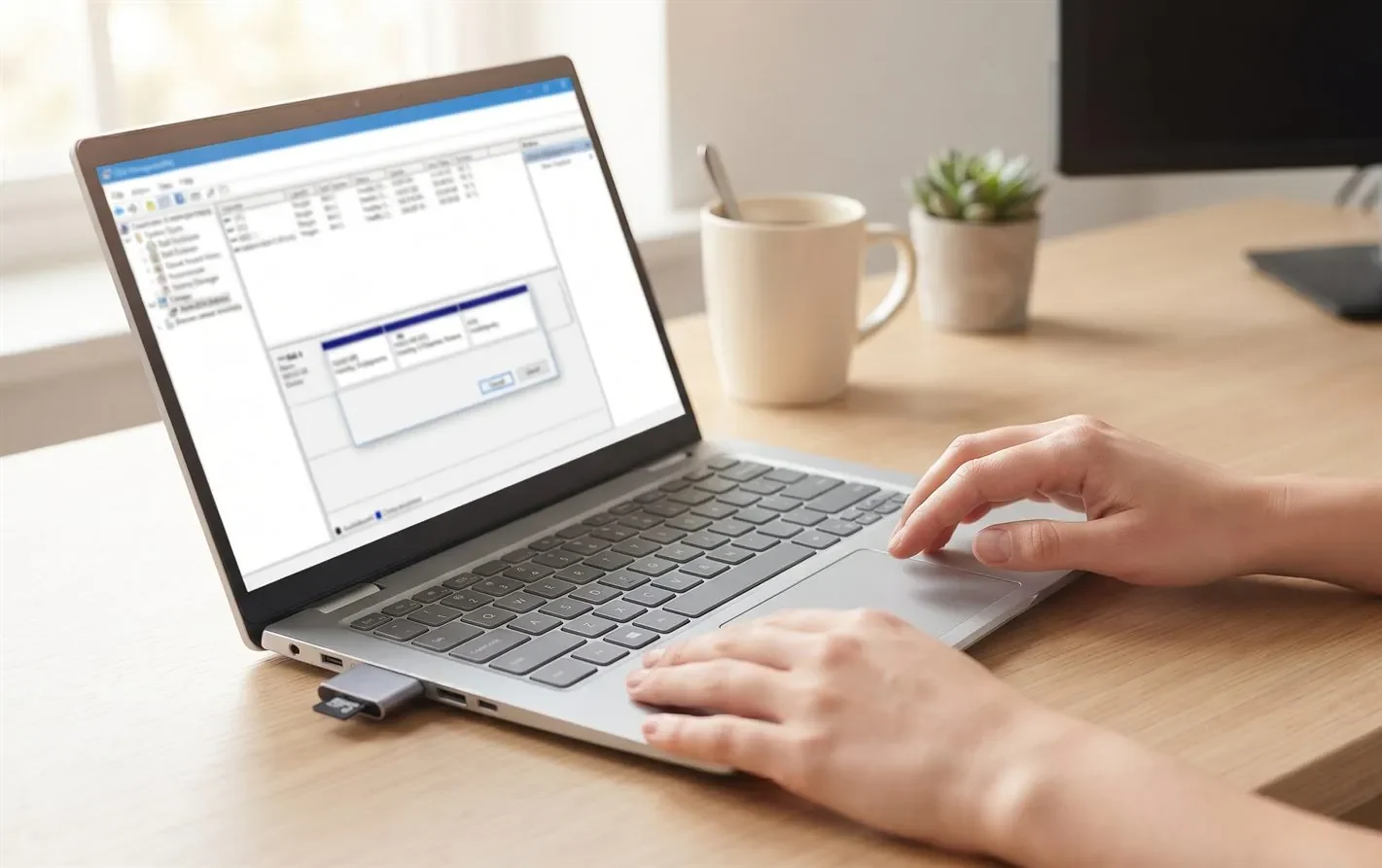
- Right-click the Start button → Disk Management.
- Find the microSD by its capacity — be certain it's the card, not another disk.
- Right-click its volume → Format, choose the file system, and confirm.
Disk Management also lets you delete and recreate a partition if the card's layout is broken.
Method 3: diskpart (for stubborn cards)
Use this when a card won't format normally or is stuck read-only. Open Command Prompt as Administrator, then:
diskpartlist disk— identify the card by its size (getting this wrong wipes the wrong disk)select disk X— where X is the card's numbercleancreate partition primaryformat fs=exfat quickassignexit
diskpart is powerful and unforgiving — double-check the disk number before clean.
The mistake that destroys data
Every one of these methods lists all your drives. The single biggest cause of data-loss disasters is selecting the wrong disk — formatting an external backup, or in diskpart, cleaning the wrong disk number. Always confirm by capacity and drive letter before you commit. And never format a card you're not 100% sure is backed up.
A quick format only removes the file-system index — the actual files stay on the card until new data overwrites them. So if you formatted a card that still had important photos, the data is usually still recoverable. Remove the card, don't add anything to it, and run recovery software or send it to a lab. See our SD card recovery service.
Recovering a formatted microSD card
Because SD cards don't run TRIM the way SSDs do, quick-formatted data typically remains on the card until overwritten — which makes recovery very achievable if you act fast.
- Logical format, no new writes: recovery software (Recuva, PhotoRec, Disk Drill) can scan the card and rebuild your files. Always recover to a different drive, never back onto the card.
- Physically damaged card (cracked, water-damaged, not detected): needs chip-level lab recovery, since the data lives on the memory chip.
Don't run a full format (which writes zeros) or keep using the card if you want your data back.
When to call a lab
Call a lab when a formatted card won't be detected by any PC or reader, when it's cracked or water-damaged, when DIY software can't find your files, or when the data is irreplaceable. Labs perform chip-level recovery on cards software can't reach, and stopping early keeps your odds high.
CBL's cleanroom lab recovers photos and files from formatted, corrupted, and damaged microSD cards — free diagnosis, fixed quote before any work.
- WhatsApp: +65 8127 7508
- Call: +65 6588 0261

The bottom line
Windows 11 makes formatting a microSD easy — File Explorer for a quick job, Disk Management for more control, diskpart for stubborn cards. Whichever you use, back up first, pick exFAT for most devices, and confirm the exact disk before you commit. And if you format the wrong card, stop using it immediately: a quick format is highly recoverable until new data lands on top of the old.
Frequently Asked Questions
What's the best file system for a microSD on Windows 11?+
Why won't Windows let me format my card as FAT32?+
format fs=fat32 quick) or a third-party formatter — or simply use exFAT, which most modern devices support.How do I format a microSD that's stuck read-only or won't format normally?+
list disk, select disk X (identify by size), clean, create partition primary, format fs=exfat quick, assign. If diskpart also fails, the card may be physically failing — stop retrying and get it diagnosed if it holds important data.