
Whether you deleted files by accident, your PC won't boot, or a drive has failed, losing data on Windows 10 or 11 is stressful — but recovery is often simpler than you'd think. Windows has powerful built-in recovery tools, and for the cases they don't cover, reliable software and clear steps get most files back. This guide walks through the simple steps to perform Windows data recovery in 2026, from the free built-in options to recovery software, and when the job belongs to a lab.
From the engineers at CBL Data Recovery Singapore, who recover Windows data every week.
Start here: identify your situation
Windows data loss falls into a few categories, and knowing yours guides the fix:
- Deleted files on a working PC — often DIY-recoverable.
- PC won't boot but the drive is healthy — the data is usually safe and accessible.
- Drive failure — clicking, not detected, or errors. Handle carefully.
- Corrupted or formatted drive — logical, with the data often intact underneath.
The crucial question, as always, is whether the drive is physically healthy. If it is, recovery is straightforward.
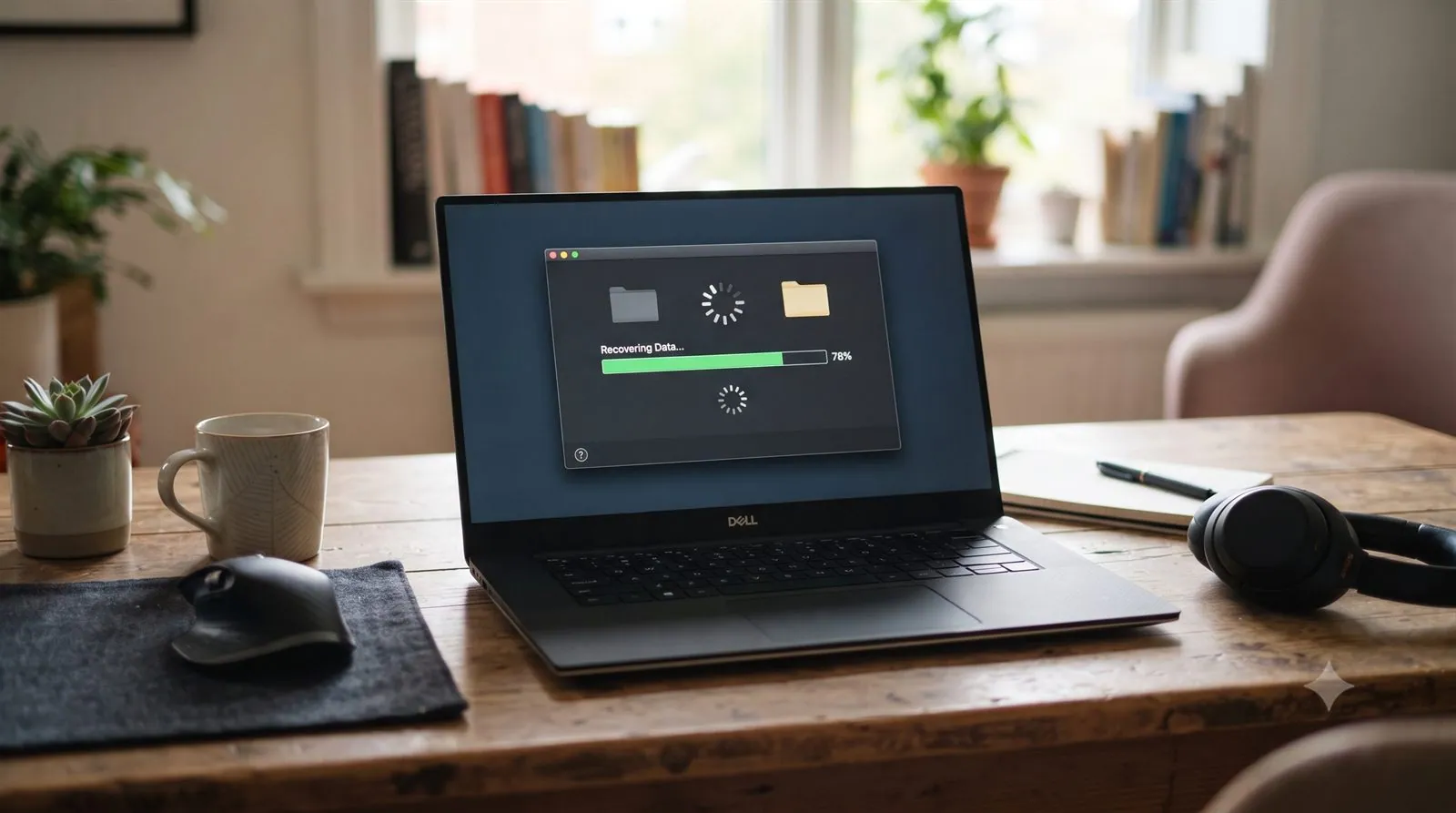
Step 1: Try the built-in, free options
Before any software, check Windows' own tools:
- Recycle Bin. Deleted a file? It's likely here — right-click, Restore. The fastest fix.
- File History / Previous Versions. If enabled, right-click a folder → Restore previous versions to roll back deleted or overwritten files.
- OneDrive. If files were in OneDrive, check its Recycle Bin and version history — cloud copies survive local deletion.
- Windows Backup / a backup drive. Restore files from any backup you have.
Restoration from a backup or the Recycle Bin is free, fast, and reliable — always check here first.
Step 2: Recover deleted files with software
If the built-in options don't apply, recovery software is the workhorse:
- Stop using the drive to avoid overwriting recoverable files.
- Install recovery software on a different drive — never on the one you're recovering from. Options: Recuva, Disk Drill, PhotoRec, TestDisk.
- Run a deep scan of the drive.
- Preview and recover to a separate drive.
- Verify the recovered files open.
This handles emptied Recycle Bins, formatted drives, and deleted files with no backup — on a healthy drive.
Step 3: Recover from an unbootable PC
If Windows won't boot but the drive is healthy, the data is usually safe:
- Boot into Windows Recovery Environment (WinRE) and try Startup Repair and System Restore — these often fix the boot problem with data intact.
- Boot from a USB and copy files off — use a Windows installation USB or a WinPE rescue USB (like Hiren's BootCD PE) to access the drive and copy your files to an external drive before attempting any reset.
- Remove the drive and read it on another PC — for a desktop or older laptop with a removable drive, connect it via a USB adapter and copy your data.
Don't reset or reinstall Windows before securing your data — that can erase recoverable files.

Step 4: Know when the drive has failed
If the drive is clicking, not detected in the BIOS, or making unusual noises, that's physical failure — the DIY steps won't help, and continued use worsens the damage. Stop, and treat it as a recovery case for a lab. The data is usually still on the drive, but reaching it safely requires cleanroom equipment.
A common, costly mistake is reinstalling Windows or reformatting to "fix" a problem before securing your files — this overwrites recoverable data. And never run repair tools on a clicking or failing drive. See our Windows data recovery service.
When to call a lab
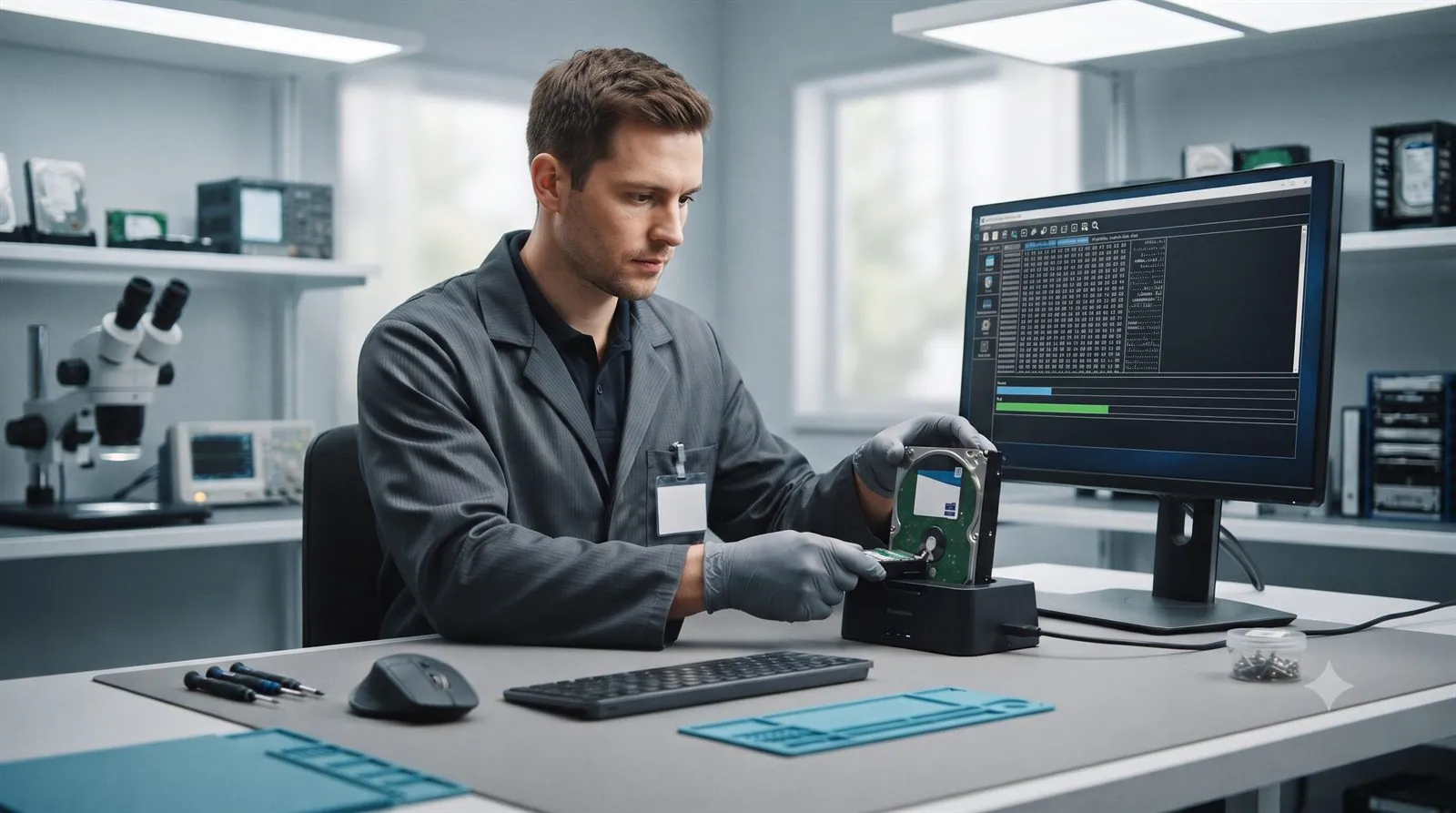
Call a lab when the drive is clicking or not detected, when it's physically damaged, when DIY software fails on irreplaceable data, or when a drive was formatted or reinstalled over. Labs image failing drives and recover data software can't touch. Because continued use lowers the odds, getting a diagnosis early protects your data.
CBL's ISO-certified lab recovers data from failed drives and dead PCs — free diagnosis, fixed quote before any work.
- WhatsApp: +65 8127 7508
- Call: +65 6588 0261
How to make Windows recovery effortless
- Turn on File History on an external drive so deleted files are always recoverable.
- Use OneDrive for automatic version history and cloud backup.
- Enable System Protection so System Restore and Previous Versions are available.
- Keep a backup, so any loss is a quick restore. See our data backup tactics.