
A Windows PC that won't boot, freezes on the logo, or throws "file system corrupt" errors feels like a disaster — but most of these problems are repairable, and Windows itself ships with powerful tools to fix them. The catch: some repair tools can overwrite or erase your data if used on the wrong problem, especially when the underlying issue is a failing drive rather than corrupted software.
This guide from CBL Data Recovery Singapore covers the 10 best Windows repair tools for 2026 — built-in and third-party — what each one fixes, and the single precaution that keeps a repair from turning into permanent data loss.
Before you repair: one precaution
Repair tools assume your hardware is healthy and only the software is broken. If the real problem is a dying hard drive or SSD, running repair utilities can accelerate the failure and overwrite recoverable data. So before you run anything:
- If you hear clicking, grinding, or the drive isn't detected, stop. That's hardware failure — repair tools won't help and can make recovery harder. Skip to a lab.
- If your data is irreplaceable and not backed up, back it up first — even booting from a USB to copy files off before repairing is worth the extra hour.
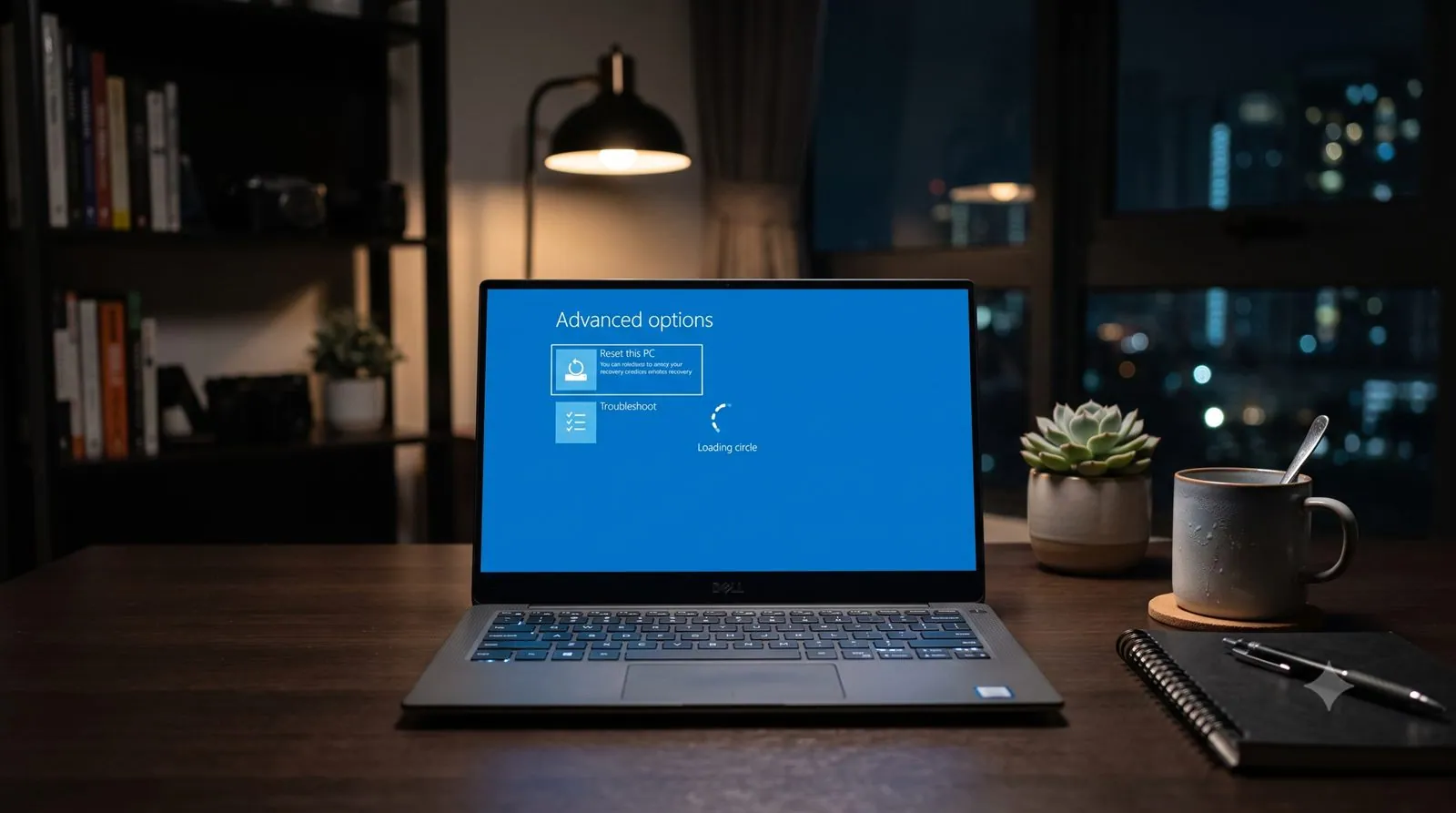
The 10 best Windows system repair tools
1. Startup Repair (built-in). The first thing to try when Windows won't boot. Found in the Windows Recovery Environment (WinRE), it automatically diagnoses and fixes boot-related problems — missing boot files, corrupted BCD, and more. Free, safe, and fixes a huge share of "won't start" cases.
2. SFC (System File Checker). Run sfc /scannow from Command Prompt to scan for and repair corrupted Windows system files. It's the go-to fix for crashes, missing DLLs and odd behaviour caused by damaged system files. Safe for your personal data.
3. DISM. When SFC can't fix everything, DISM /Online /Cleanup-Image /RestoreHealth repairs the underlying Windows image that SFC draws from. Use it alongside SFC for stubborn corruption. Also non-destructive to your files.
4. CHKDSK — with caution. chkdsk /f repairs file-system errors on a drive. It's powerful, but on a physically failing drive it can worsen the damage and destroy recoverable data. Use it on a healthy drive with minor corruption — never on one that's clicking or already unreadable.
5. System Restore. Rolls Windows back to an earlier "restore point" before the problem started, undoing bad updates, drivers or software changes — without touching your personal files. A quick fix if System Protection was enabled.
6. Reset This PC — know the options. Reinstalls Windows with a choice to keep files or remove everything. "Keep my files" preserves documents but removes apps; "Remove everything" wipes the drive. Powerful, but choose carefully — the wrong option erases data.
7. Windows Recovery Environment (WinRE). The recovery menu itself, reachable by interrupting boot three times or from a recovery USB. It's the hub for Startup Repair, System Restore, Command Prompt and more — your control centre when Windows won't load.
8. Bootable rescue media (Hiren's BootCD PE). A free WinPE-based rescue USB packed with repair, diagnostic and data-copying tools. Boot from it to fix or, crucially, to copy your files off a PC that won't start before you attempt riskier repairs.
9. Macrium Reflect / imaging tools. Not a repair tool as such, but the smartest move: image your drive before repairing. If a fix goes wrong, you restore the image. Its rescue media can also recover a broken boot configuration.
10. Manufacturer drive diagnostics. Tools like SeaTools (Seagate), WD Dashboard, or CrystalDiskInfo check the drive's SMART health. If they flag a failing drive, you've just learned that software repair is the wrong path — and that you should recover your data instead.
Quick comparison
| Tool | Fixes | Safe for data? | When to use |
|---|---|---|---|
| Startup Repair | Boot failures | Yes | PC won't start |
| SFC / DISM | Corrupted system files | Yes | Crashes, errors |
| CHKDSK | File-system errors | Only on healthy drives | Minor corruption |
| System Restore | Bad updates/drivers | Yes | After a change broke things |
| Reset This PC | Deep OS problems | Depends on option | Last resort |
| CrystalDiskInfo / SeaTools | Diagnoses drive health | Yes (read-only) | Suspected hardware failure |
When repair tools are the wrong answer
Here's the distinction that saves data: repair tools fix software; they cannot fix hardware. If your drive is physically failing — clicking, beeping, disappearing from the BIOS, or throwing constant read errors — running CHKDSK, Reset, or a reinstall can permanently destroy what a lab could otherwise recover.
The most damaging thing we see is someone running CHKDSK or reinstalling Windows on a failing drive, hoping to fix it — and overwriting the data in the process. If the drive sounds wrong or won't be detected, treat it as a recovery job, not a repair job. See our hard drive recovery and Windows data recovery services.
A safe repair sequence to follow
When a Windows PC misbehaves, the order you try things in matters as much as the tools themselves. Working from safest to most drastic protects your data at every step:
- Check the drive's health first. Run CrystalDiskInfo (or the maker's tool) if the PC still boots, or listen for abnormal noises if it doesn't. A failing drive changes everything — go straight to recovery, not repair.
- Try System Restore. If the trouble started after an update or install, rolling back a restore point is the least invasive fix and touches nothing personal.
- Run SFC, then DISM. These repair corrupted system files without risk to your documents. Run SFC first; if it reports unfixable errors, run DISM and then SFC again.
- Use Startup Repair if the machine won't boot. It's automatic and safe, and resolves most boot-file problems.
- Copy your files off before anything drastic. If steps 1–4 haven't worked and you're considering CHKDSK, Reset, or a reinstall, first boot from a rescue USB (like Hiren's BootCD PE) and copy irreplaceable files to an external drive.
- Only then consider CHKDSK, Reset or reinstall — and only if the drive is confirmed healthy.
This ladder means that by the time you reach the risky tools, your data is already safe elsewhere. Skipping straight to step 6 is exactly how recoverable situations become permanent losses. If at any point the drive shows signs of physical failure, stop the ladder and treat it as a recovery case — the tools above are for software problems only, and no amount of repairing fixes dying hardware.
What to do if repair fails or data goes missing
If a repair attempt left you without your files, or the PC still won't boot and the data matters, stop and change approach. Every additional repair attempt or reinstall writes more data to the drive and lowers your recovery odds.
CBL's ISO-certified lab recovers data from crashed, corrupted and failed Windows drives every week — free diagnosis, fixed quote before any work.
- WhatsApp: +65 8127 7508
- Call: +65 6588 0261
