
A video that won't play, stutters, freezes partway, or throws a "file is corrupted" error is genuinely frustrating — especially when it's an irreplaceable family moment or an important project. The good news is that corrupted video files, including MPEG, MP4, MOV and AVI, are often repairable or recoverable. Whether the file was damaged by an interrupted transfer, a card error, or a failed recording, there are proven methods to get it playing again. This guide explains how to recover or repair corrupted MPEG and video files in 2026, and the honest limits.
From the engineers at CBL Data Recovery Singapore, who recover video and media files every week.
Two different problems: corrupted vs deleted
First, clarify which situation you're in, because they need different solutions:
- The file exists but won't play — it's corrupted. The data is there but damaged, and the fix is video repair.
- The file is gone — deleted, or lost when a card/drive corrupted. The fix is data recovery to get the file back first.
Sometimes it's both: a video was recovered from a card but comes back corrupted because it was partly overwritten. We'll cover repair and recovery, since you may need both.
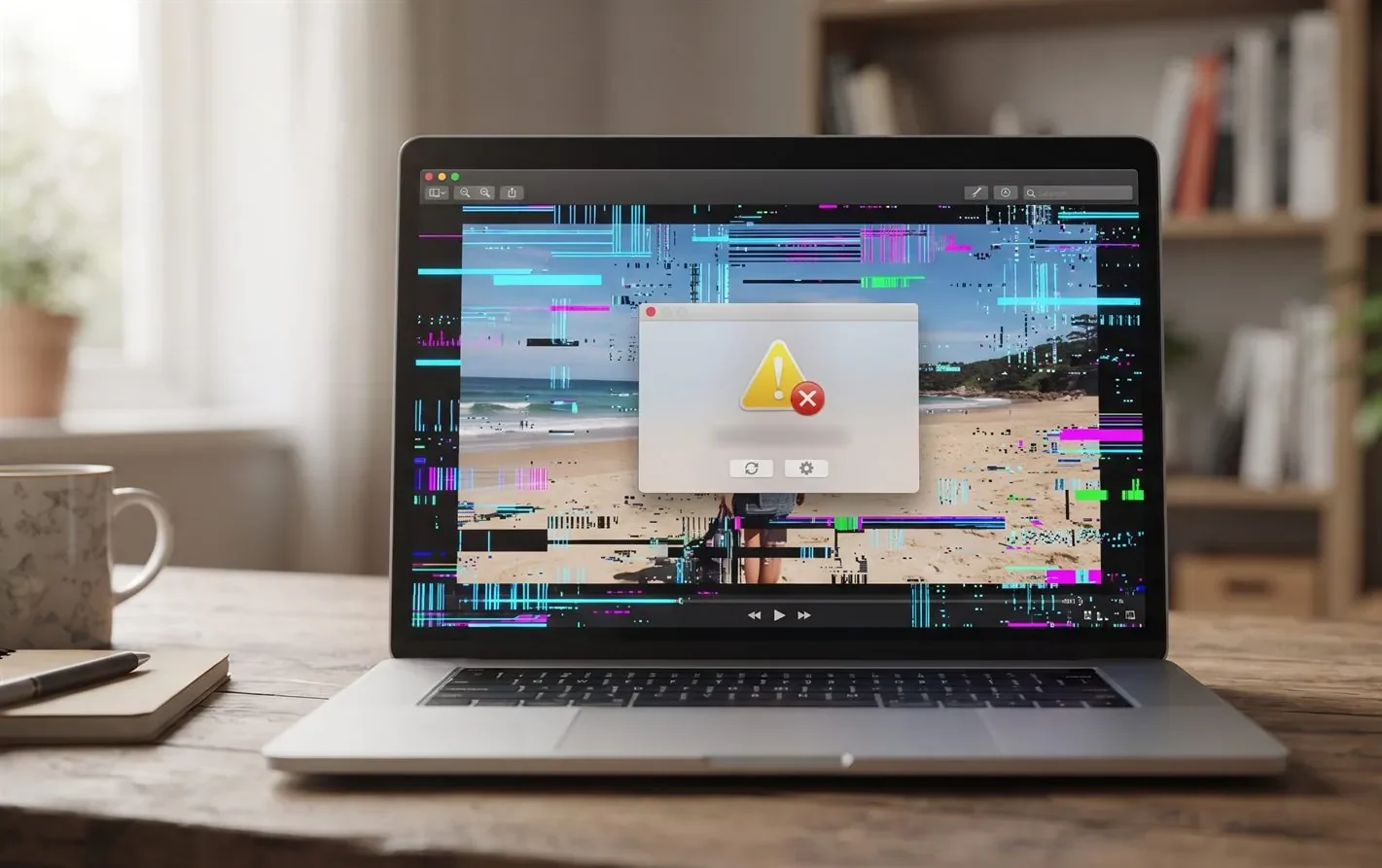
How videos get corrupted
Common causes of corrupted video files include:
- Interrupted recording — a flat battery or removed card while the camera was still writing the file.
- Interrupted transfer — unplugging a drive or card mid-copy.
- Card or drive errors — file-system corruption or bad sectors on the storage.
- Incomplete downloads — a video that didn't finish downloading.
- Codec or header damage — the file's index/header (which tells the player how to read it) is damaged, even if the video data is intact.
That last one is key: many "corrupted" videos have healthy video data but a broken header, which is exactly what repair tools fix.
How to repair a corrupted video file
1. Try a different player first. Some players are far more tolerant of damaged files. VLC Media Player in particular can play many partly-corrupted videos, and it has a built-in repair for AVI files (Preferences → Input/Codecs → "Fix" damaged files). Simply opening the file in VLC sometimes works when other players fail.
2. Use VLC's convert/repair. In VLC, try converting the file to another format (Media → Convert/Save) — the re-encoding process can rebuild a playable file from a damaged one.
3. Use a dedicated video repair tool. Tools like Stellar Repair for Video, Wondershare Repairit, or Grau GmbH's video repair are built specifically to fix corrupted MP4, MOV, MPEG and AVI files by reconstructing the header and structure. Many use a healthy "reference" file from the same camera to rebuild a broken one — very effective for camera footage.
4. Check for a healthy copy. Before repairing, check whether an intact copy exists elsewhere — on the original card, in a backup, or a version you shared. A good copy beats any repair.
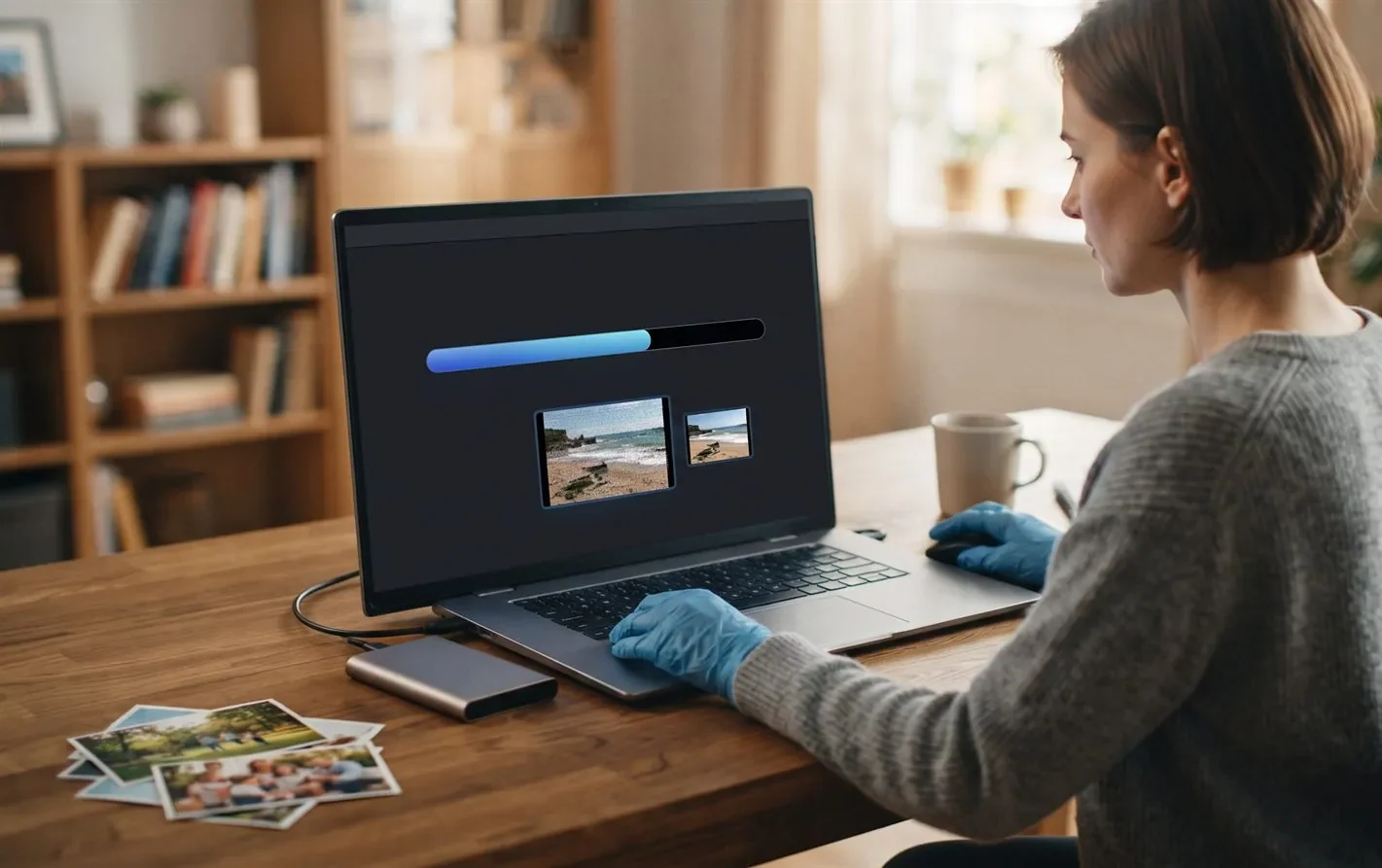
If the video was deleted or lost
If the file is gone rather than just corrupted, recover it first:
- Stop using the card or drive that held the video to avoid overwriting it.
- Run recovery software (Recuva, Disk Drill, PhotoRec, Stellar Photo Recovery) — these recover video formats including MPEG, MP4 and MOV — and save to a different drive.
- Then repair the recovered file if it comes back corrupted.
Because SD cards and drives don't run TRIM the way phones do, deleted videos are often highly recoverable.
The honest limits
Being straight helps: if the video data itself is missing or overwritten, no tool can rebuild it — repair tools fix damaged structure, not absent data. A video recovered from a card that was partly overwritten may be permanently truncated or unplayable beyond a certain point. And a file that was only partially recorded may simply not contain the full footage. Repair works best when the video data is intact and only the header or structure is damaged.
If your videos are corrupted because the card or drive is failing (errors, not detected, clicking), don't keep using it. Recover the files first before more damage occurs. See our SD card recovery and data recovery services.
When to call a lab
Call a lab when the corrupted videos are on a failing or damaged card/drive, when the footage is irreplaceable and repair tools fail, or when the storage isn't detected. Labs recover video files from failed media and can handle complex corruption. Because continued use of failing storage overwrites recoverable data, stopping early protects your footage.
CBL's cleanroom lab recovers video and media files from failed cards and drives — free diagnosis, fixed quote before any work.
- WhatsApp: +65 8127 7508
- Call: +65 6588 0261

How to avoid corrupted videos
- Don't remove a card or let the battery die mid-recording — the top cause of corrupted footage.
- Finish transfers before unplugging cards and drives.
- Use quality, genuine cards — cheap and counterfeit cards corrupt more.
- Back up footage promptly, so a corrupted file isn't the only copy. See our data backup tactics.