
That sinking feeling when a photo you love is suddenly gone — a child's first steps, a wedding, a receipt you needed — is one of the most common reasons people contact us. The good news: in 2026, a deleted photo is very often still recoverable, provided you act calmly and in the right order. The bad news: the single most common reaction — frantically using the device to "look for it" — is also the fastest way to lose the photo for good.
This guide from the engineering team at CBL Data Recovery Singapore walks through 10 proven ways to recover deleted photos, roughly from easiest to most involved. Start at the top and stop as soon as one works.

First, the one rule that decides everything
When you "delete" a photo, the file is rarely erased straight away. The device simply marks that space as free to reuse. Your photo lives on — invisible but intact — until something new is written on top of it. That is why recovery is possible at all.
It is also why the golden rule is: stop using the device the moment you realise a photo is missing. Every new photo you take, app you install, or file you download can overwrite the exact space your lost photo occupies. On phones and SSDs a background process called TRIM makes this worse, actively wiping freed space to keep storage fast. Put the device down, switch off auto-sync if you can, and work through the steps below.
10 ways to recover deleted photos
1. Check "Recently Deleted" first. Both iPhone (Photos → Albums → Recently Deleted) and Android (Google Photos → Library → Trash) hold deleted photos for about 30 days before erasing them. This solves most cases in under a minute — always look here first.
2. Look in the Recycle Bin or Trash on a computer. On Windows, open the Recycle Bin; on Mac, open the Trash. A photo deleted with the normal Delete key is usually sitting there, one right-click "Restore" away — unless the bin has been emptied.
3. Restore from cloud backup. If Google Photos, iCloud Photos, OneDrive or Dropbox was switched on, a copy is likely on the server even after it left your device. Sign in from a browser and check that service's own trash and library before doing anything else.
4. Check your other synced devices. A photo deleted on your phone may still exist on a tablet, laptop or old handset signed into the same account — if those devices haven't synced the deletion yet. Put them into airplane mode first, then look.
5. Use Windows File History or "Previous Versions." If File History or a backup drive was ever set up, right-click the folder that held the photos → Restore previous versions, and roll back to a point before the deletion.
6. Use Time Machine on a Mac. With a Time Machine backup connected, enter Time Machine, browse back to a date when the photos were present, and restore the folder or Photos library.
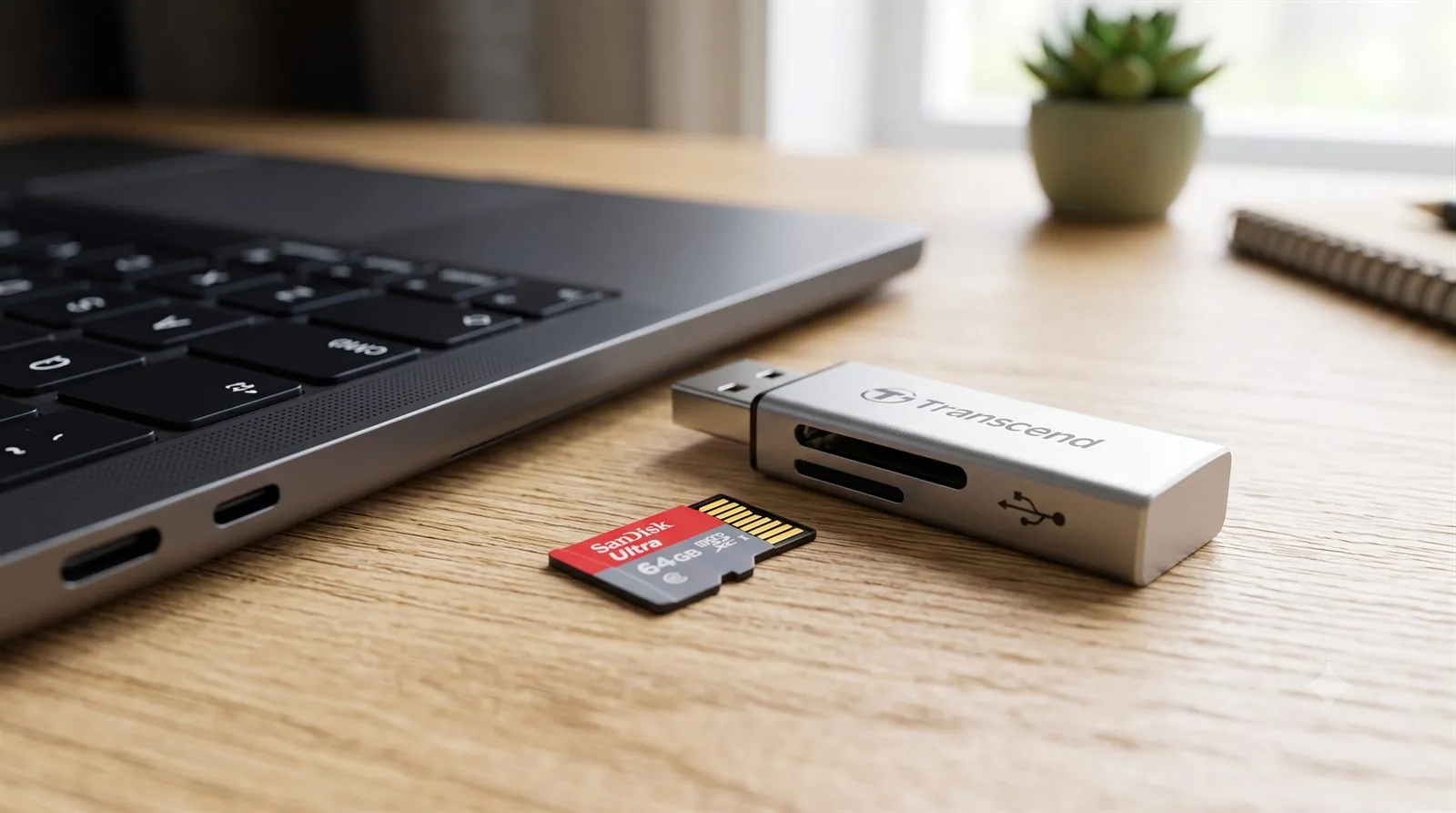
7. Recover from an SD card or camera card. Cards are one of the most recoverable media, because they don't run TRIM the way phones and SSDs do. Stop taking photos immediately, remove the card, and recover it using a card reader rather than shooting more frames onto it. See our SD card recovery guide.
8. Try reputable recovery software — on the right media. For a memory card, USB stick or mechanical hard drive, DIY software can work well. Install it on a different drive, and recover to a different drive, never back onto the card you're scanning. Read our honest take in DIY vs professional data recovery before you start.
9. Check app caches and chats. Photos you shared often survive inside WhatsApp, Telegram, email or messaging threads even after the originals are gone from your gallery. It's not the full-resolution file in every case, but a shared copy beats nothing.
10. Call a professional lab for physical or high-stakes cases. If the photos are irreplaceable, the storage is damaged (a dead phone, a clicking drive, a water-damaged card), or DIY software has already failed, stop — further attempts can make data permanently unrecoverable. This is where a lab with cleanroom and board-level capability takes over. See deleted file recovery in Singapore.
Bring the device or card to CBL and we'll tell you exactly what's recoverable — free diagnosis, fixed written quote before any work.
- WhatsApp us: +65 8127 7508
- Call: +65 6588 0261
What to do the moment you notice
The first few minutes matter more than any software you'll ever install.
- Do stop using the device immediately — no new photos, apps, or downloads.
- Do enable airplane mode to freeze cloud sync before it pushes the deletion everywhere.
- Do remove an SD card or unplug a drive and set it aside.
- Don't "test" a water-damaged or dropped phone by powering it on repeatedly.
- Don't keep re-running scanning apps on the same media hoping for a different result.
- Don't save recovered files back onto the same card or drive you're recovering from.
When software won't work — the honest limits
Most articles promise that any photo can come back with the right app. The truth is more nuanced, and being honest about it is how we've built our reputation:
- Healthy phones and SSDs are hostile to undelete tools. Full-device encryption plus TRIM means that once a photo leaves "Recently Deleted" with no backup, it is usually zeroed and gone. Apps promising to "deep scan" a healthy, locked iPhone for old photos are, in most cases, selling false hope.
- Overwritten space is unrecoverable. If new data has already landed on top of your photo, no lab on earth can rebuild it. This is why acting fast is everything.
- A factory reset is final. It cryptographically erases the keys; the data cannot be reconstructed.
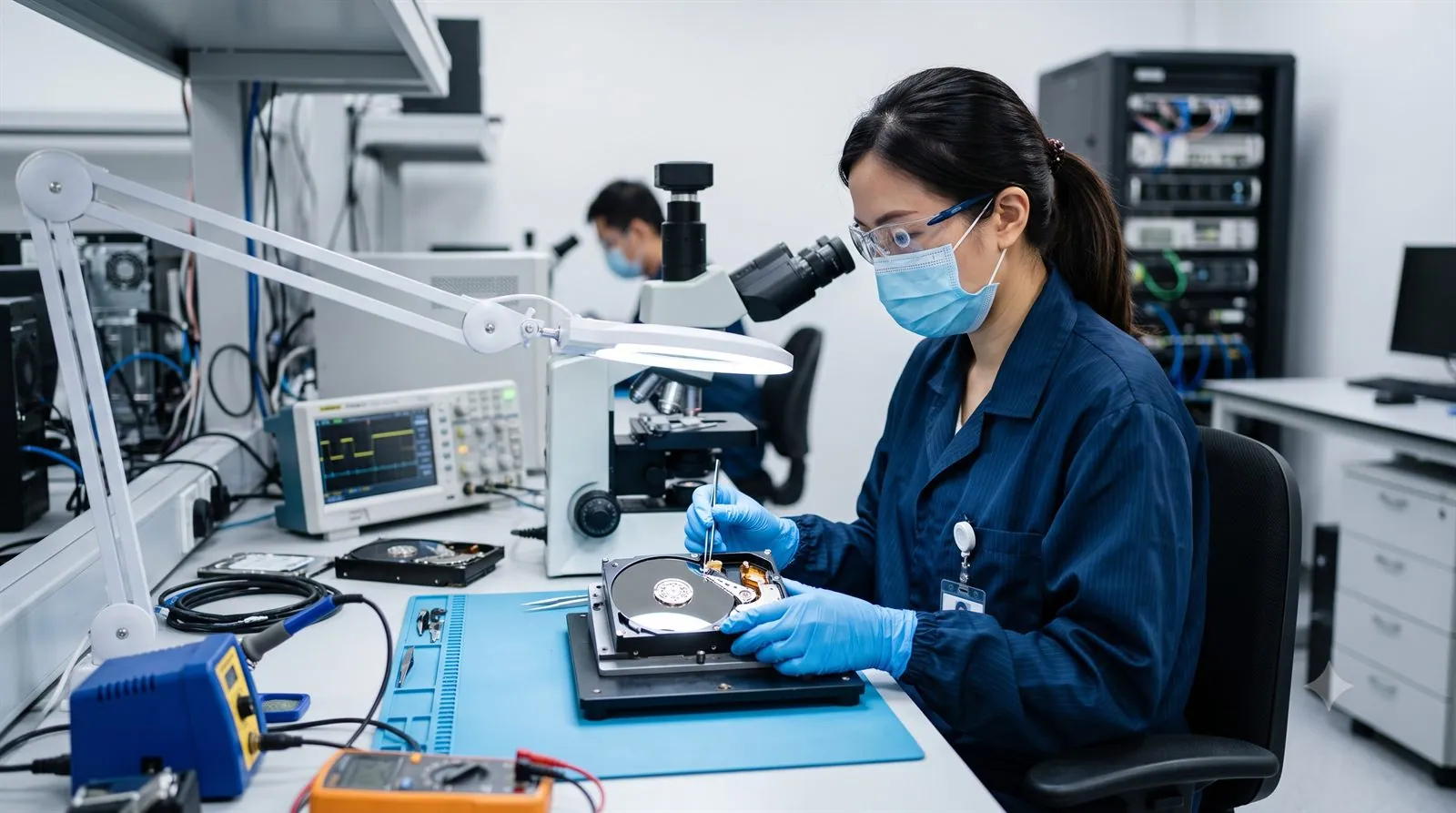
Where a lab genuinely changes the outcome is physically failed media — a phone that won't boot, a hard drive that clicks, a card that's not recognised. There, the photos are often still intact on the chip; the challenge is repairing the device enough to read them safely. To understand which camp your case is in, see physical vs logical data recovery.
Work the list top to bottom, stop the instant something works, and never write new data to the affected device. If the photos truly matter and the easy steps didn't help, let a lab look before you risk them further.