
A single text message can matter a lot — a verification code, an address, a conversation you need for a dispute, or just words from someone you care about. Delete it (or lose it in a phone failure) and it feels gone. In 2026 there are real ways to get deleted texts back, but they depend heavily on whether you have a backup, which phone you use, and how quickly you act. Here's a clear guide to recovering deleted SMS and iMessages on iPhone and Android — and where the honest limits are.
From the engineers at CBL Data Recovery Singapore, who recover data from phones every week.
First, understand what you're recovering
Not all "texts" are the same, and it changes your options:
- SMS/MMS — the traditional carrier text messages.
- iMessage (iPhone) — Apple's messaging, stored differently and tied to your Apple account.
- RCS / chat apps (WhatsApp, Telegram, etc.) — these have their own backups and recovery paths, separate from SMS.
The two biggest factors in whether you can recover a deleted text are: do you have a backup, and have you stopped using the phone so nothing overwrites the deleted data.
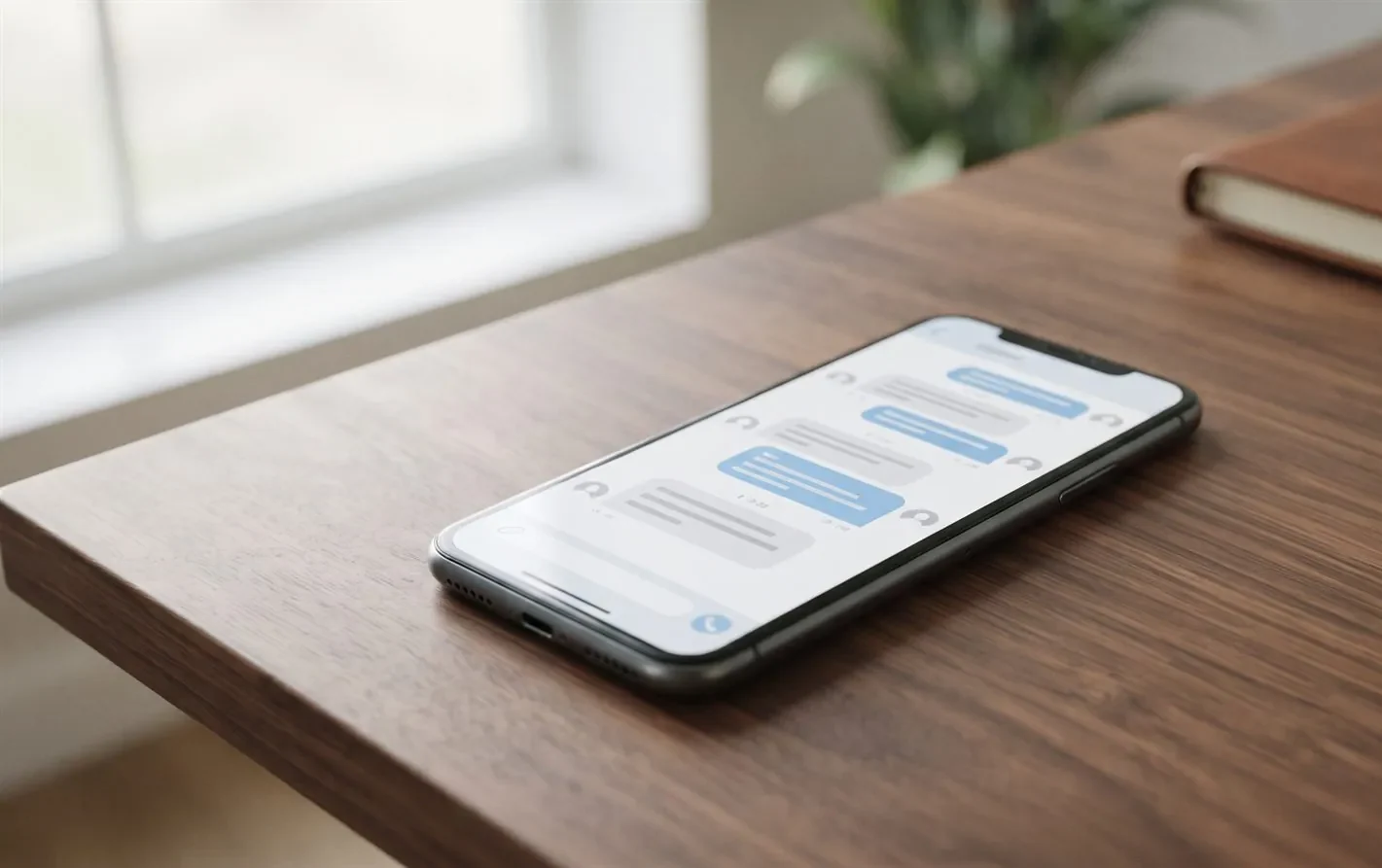
Recovering deleted texts on iPhone
iPhones give you several routes, in order of ease:
- Recently Deleted in Messages. iOS keeps deleted messages for up to 30–40 days. Open Messages → Edit/Filters → Recently Deleted, select the conversation, and Recover. Check here first — it's often all you need.
- Restore from an iCloud or computer backup. If you back up to iCloud or to a Mac/PC, restoring a backup from before you deleted the text brings the messages back. The trade-off: it restores the whole device to that point, so you may lose things changed since. Ideally restore to a spare device or make a current backup first.
- Carrier records. Your mobile carrier may retain limited SMS metadata (numbers, times) but generally not message content — useful for proof a message existed, not for its text.
Because a full backup restore is disruptive, always try Recently Deleted before anything drastic.
Recovering deleted texts on Android
Android varies by manufacturer, but the routes are similar:
- Messages app trash / archive. Google Messages and many manufacturer apps keep deleted or archived threads for a period — check the app's trash or archive first.
- Google account backup. If your device backs up to your Google account, deleted SMS can return by restoring that backup (usually during device setup, so it's most practical after a reset or on a new phone).
- Manufacturer cloud (Samsung Cloud, etc.) may hold a separate messages backup.
- Carrier records, as with iPhone, may confirm a message existed but rarely provide content.
The rule that protects your chances
Whichever phone you have, the same principle applies to any unbacked-up deleted text: stop using the phone. Deleted message data sits in the phone's database until overwritten. The more you use the phone, the more likely that space is reused. If a critical text isn't in a backup or a recently-deleted folder, minimise activity and seek help quickly.
Modern smartphone internal storage is encrypted and runs TRIM, which means truly deleted, unbacked-up messages can be permanently gone. That's exactly why backups and recently-deleted folders matter so much. Don't reset or factory-restore a phone hoping to "fix" it before recovering — a reset can wipe your best chance. See our iPhone data recovery service.
When third-party recovery apps help (and when they don't)
You'll see many "recover deleted texts" apps advertised. Be realistic:
- On unrooted phones, most can only read what's still accessible — they rarely perform deep recovery of truly deleted messages from encrypted internal storage.
- They can be useful for pulling messages out of an existing backup in a readable form.
- No app recovers messages from a physically damaged or dead phone — that's a hardware job.
Treat app-store promises with caution, and never let an app charge you before it's shown it can actually see your messages.
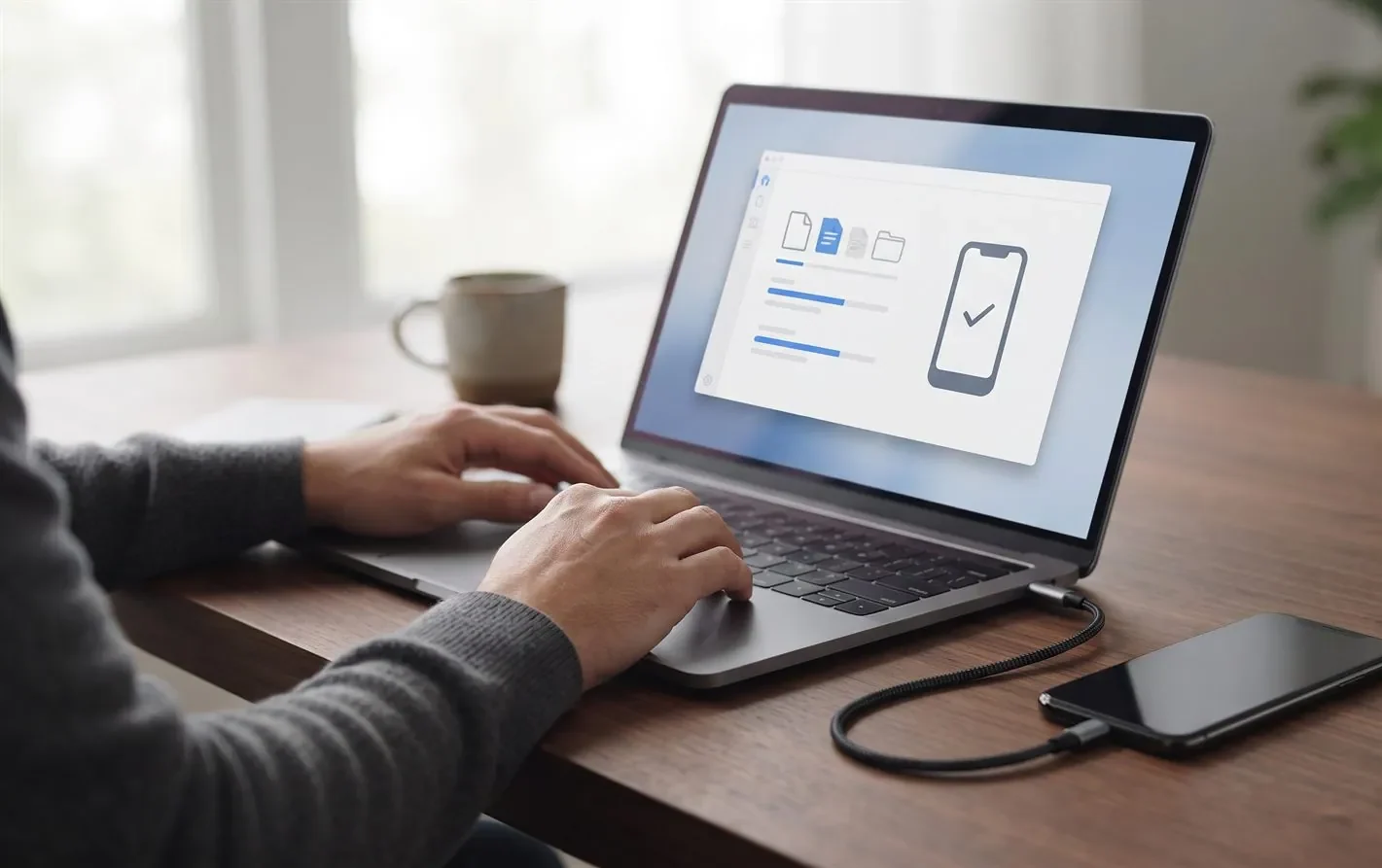
When a lab can help
Software has limits; a lab handles the cases it can't:
- The phone is physically damaged — water, a broken screen, a device that won't power on — but the messages were on it.
- You need messages from a phone with no working backup and the situation is important enough to justify a professional attempt.
- The data matters in a legal or business context and you need it handled carefully.
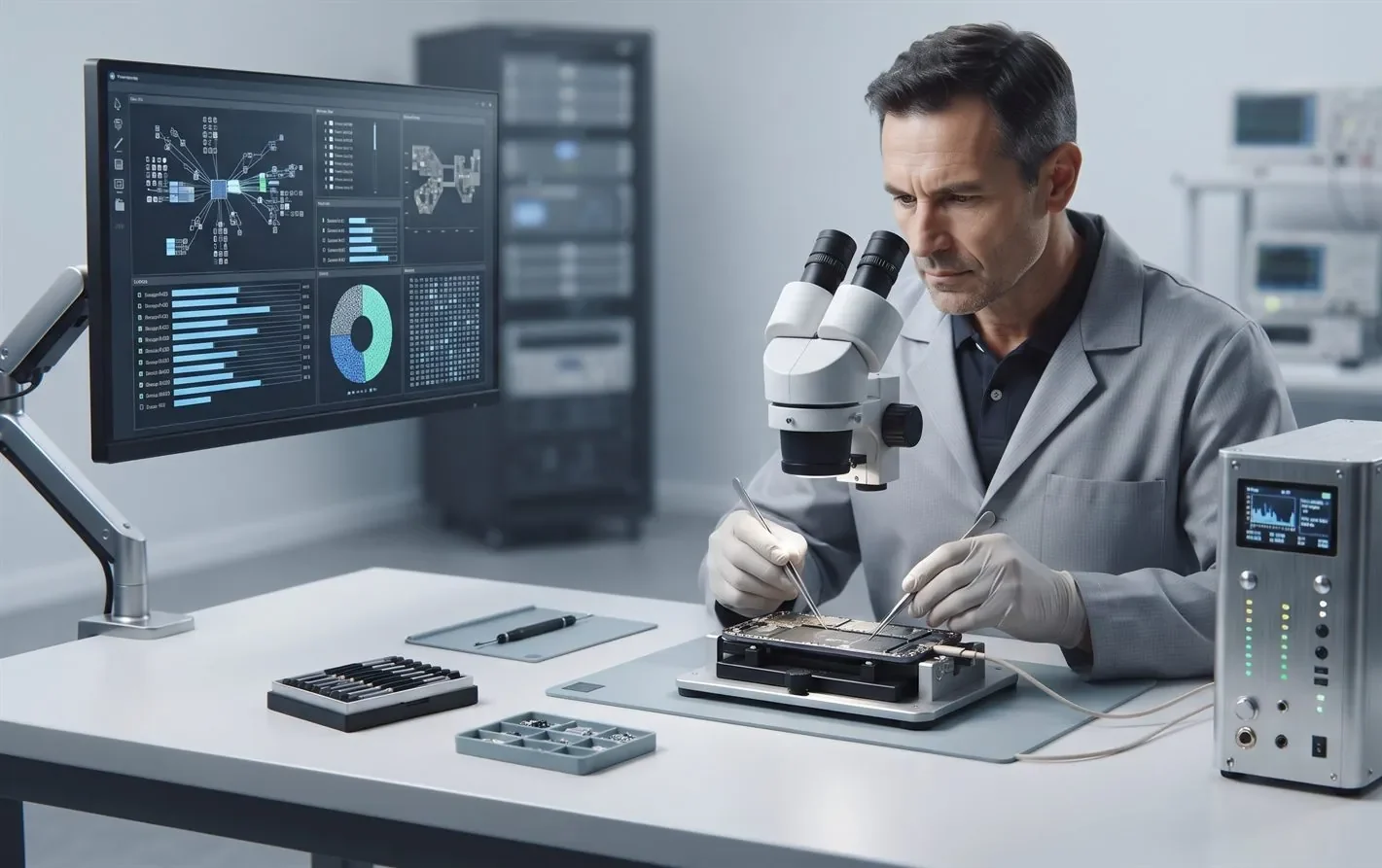
A lab can address the hardware problem — getting a damaged phone to a state where its storage can be read — which no app can do.
When to call a lab
Call a lab when the phone holding the messages is physically damaged or won't turn on, when there's no backup and the texts are genuinely important, or when the data may be needed formally. Stopping further use of the phone protects what's recoverable, and a professional diagnosis tells you honestly what's possible.
CBL's cleanroom lab recovers data from damaged, water-affected, and failed phones — free diagnosis, fixed quote before any work.
- WhatsApp: +65 8127 7508
- Call: +65 6588 0261
The bottom line
For most deleted texts, the answer is close at hand: check your Messages Recently Deleted folder, then a recent iCloud/Google backup. Those two cover the majority of cases. Where there's no backup, your best move is to stop using the phone right away and get advice — modern phones can make unbacked-up texts unrecoverable, and a reset or heavy use can seal that fate. And when the phone itself is damaged, that's a lab job, not an app.