
Your iPhone is the most data-rich device you own — years of photos, WhatsApp threads, notes, contacts and app data, much of it existing nowhere else. As a data recovery lab, we see the aftermath when it's lost: a dropped phone, a failed update, a theft, with no backup to fall back on. The fix is simple and cheap: a proper backup. This guide covers the 8 best iPhone backup tools for 2026, and how to combine them so a lost phone is a shrug, not a catastrophe.
Brought to you by CBL Data Recovery Singapore — the team who'd rather you never need us.
Why one backup method isn't enough
The most common mistake isn't having no backup — it's relying on a single one. iCloud alone can fail you if your storage fills up and backups silently stop. A computer backup alone is useless if you never plug in. And a sync (like iCloud Photos) isn't a backup at all — delete a photo and it vanishes everywhere. The goal is redundancy: at least two independent copies, so one failing doesn't leave you exposed.

The 8 best iPhone backup tools
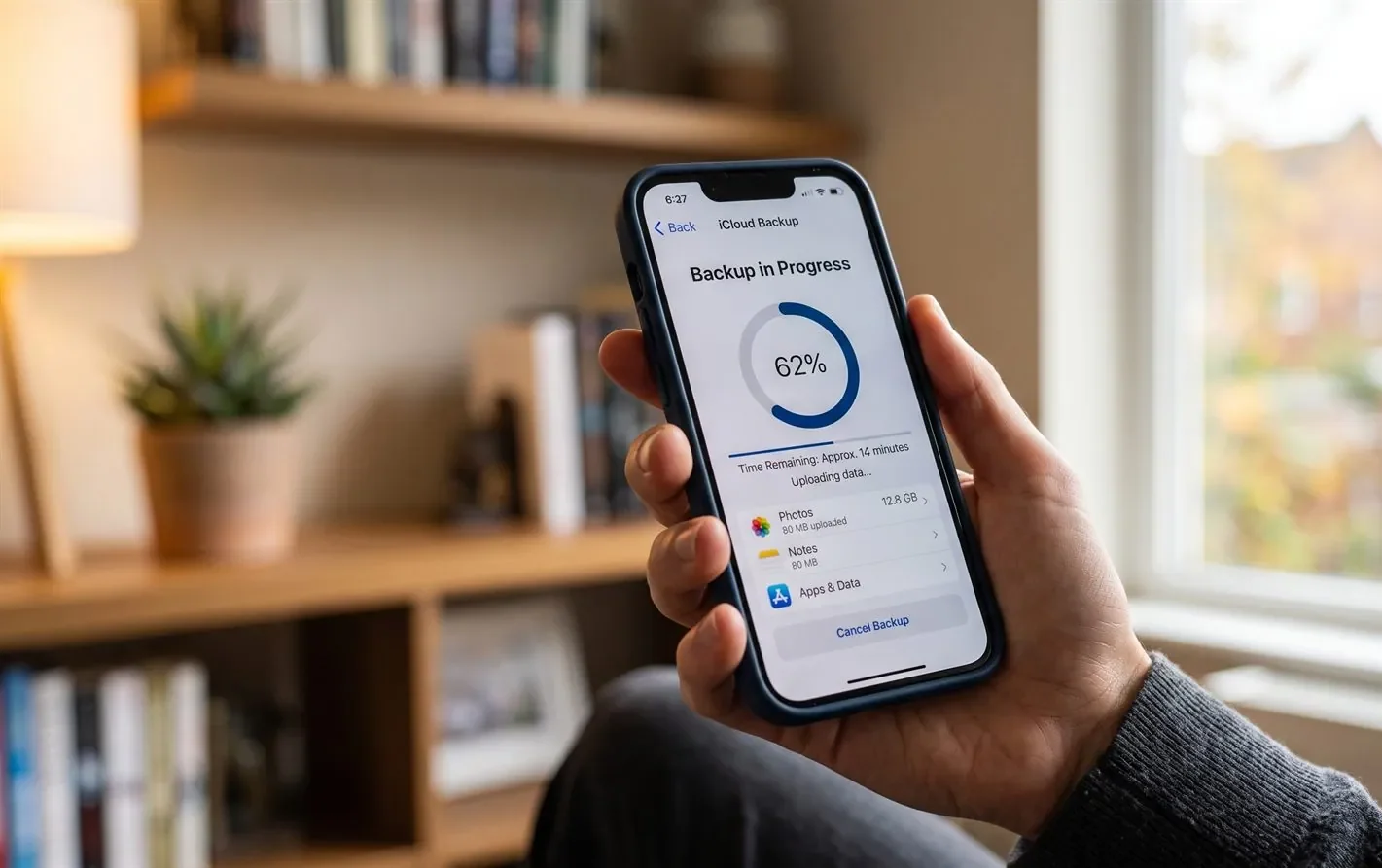
1. iCloud Backup — the effortless default. Built in, automatic, and wireless — iCloud backs up your iPhone daily when charging on Wi-Fi. It's the easiest option and the one everyone should have on. The catch: the free 5GB fills instantly, so you'll likely need a paid iCloud+ tier for a full backup.
2. Finder / iTunes backup — the free full local copy. Plugging your iPhone into a Mac (Finder) or PC (iTunes/Apple Devices app) makes a complete local backup for free, with no storage limit beyond your computer's. Enable encrypted backup to include passwords and Health data. The perfect no-cost second copy.
3. iMazing — best all-round third-party tool. A polished app that backs up your iPhone to your computer with wireless, automatic and incremental backups, plus the ability to browse and export individual messages, photos and files. A favourite for people who want control beyond Apple's all-or-nothing backups.
4. AnyTrans — best for flexible transfers. Strong at moving and backing up specific content — photos, music, messages — between iPhone, computer and cloud, with scheduled backups. Great if you want granular control rather than one big archive.
5. Dr.Fone (Wondershare) — best all-in-one suite. Combines selective backup and restore with recovery and transfer features. Handy if you want backup plus the ability to restore just one data type without wiping the phone.
6. EaseUS MobiMover — best free selective backup. A free-friendly tool for backing up and transferring iPhone content to a computer, with easy selective export of photos, contacts and messages.
7. Google Photos / Google One — best cross-platform photo backup. For photos and videos specifically, Google Photos backs up your library to the cloud, accessible on any device — a useful independent second copy of your most irreplaceable data.
8. CopyTrans — best modular toolkit. A set of lightweight Windows tools for backing up photos, contacts and messages individually, popular with users who want simple, targeted backups without a heavy suite.
Quick comparison
| Tool | Best for | Free? |
|---|---|---|
| iCloud | Effortless automatic backup | 5GB free, then paid |
| Finder / iTunes | Free full local backup | Yes |
| iMazing | Control + incremental backups | Paid (trial) |
| AnyTrans | Flexible selective transfers | Paid (trial) |
| Dr.Fone | All-in-one backup + restore | Paid (trial) |
| EaseUS MobiMover | Free selective backup | Free tier |
| Google Photos | Cross-platform photo backup | 15GB free, then paid |
A simple iPhone backup plan that actually works
You don't need all eight. Here's a bulletproof setup that takes ten minutes:
- Copy 1 — iCloud Backup, on and automatic. Turn it on (Settings → your name → iCloud → iCloud Backup) and buy enough iCloud+ storage for a full backup. This is your effortless, always-on copy.
- Copy 2 — a periodic computer backup. Every few weeks, plug into your Mac or PC and make an encrypted Finder/iTunes backup, or use iMazing for automatic wireless ones. This is your independent, offline copy that survives an Apple account problem.
- Photos — a second cloud. Turn on Google Photos as well as iCloud Photos, so your irreplaceable memories live in two independent clouds.
- Verify it works. Occasionally check that your iCloud backup date is recent and that your photos really are in the cloud. A backup you've never confirmed is just a hope.
That's it — two independent full backups plus a second photo cloud. With that in place, a lost, stolen or dead iPhone means a restore, not a loss.
iCloud Photos, iMessage in iCloud and similar features sync — a deletion propagates everywhere. Always keep at least one true backup (iCloud Backup or a computer backup) that isn't tied to live sync, so a mistaken deletion can be undone.
When backup fails and the data's already gone
Even with good intentions, people come to us having lost an iPhone with no working backup — the phone died, fell in water, or the backup had silently stopped. If the device is damaged but the storage and processor survive, the data is often still recoverable through board-level lab work.
CBL's cleanroom lab recovers data from dead, water-damaged and failed iPhones — free diagnosis, fixed quote before any work.
- WhatsApp: +65 8127 7508
- Call: +65 6588 0261

Common iPhone backup mistakes to avoid
Even people who back up regularly lose data to a handful of avoidable traps:
- Letting iCloud storage fill up. When your iCloud is full, backups silently stop — often for months. Check that your last backup date is recent, and upgrade storage before it runs out.
- Confusing sync with backup. iCloud Photos and iMessage in iCloud mirror your data; they don't archive it. A deletion syncs everywhere. Keep a true backup alongside any sync feature.
- Never testing a restore. A backup you've never restored from is unproven. You don't need to wipe your phone — just confirm your backup exists, is recent, and that your photos are genuinely in the cloud.
- Forgetting the encryption password. An encrypted computer backup is the most complete, but if you forget the password, it's unrecoverable. Store it safely.
- Only backing up to one place. A single backup method is a single point of failure. Two independent copies is the whole point.
- Restoring an old backup over newer data. After a repair or on a new phone, restoring an outdated backup can overwrite content that was newer on the device. Check backup dates before restoring.
Avoid these six and your backups will actually be there when you need them — which is the only thing that matters when a phone is suddenly gone.