
You formatted an external hard drive — maybe by accident, maybe on purpose before realising it still held files you needed. That sinking feeling is real, but here's the reassuring truth: a formatted external hard drive's data is usually still recoverable. Formatting doesn't scrub your files; it rewrites the file-system index while leaving the actual data intact underneath, at least until it's overwritten. That means acting quickly gives you excellent odds. This guide walks through the simple steps to recover a formatted external hard drive in 2026.
From the engineers at CBL Data Recovery Singapore, who recover formatted drives every week.
Why formatted data is recoverable
There are two kinds of format, and the good news applies especially to the common one:
- Quick format (the default) simply rewrites the file-system index — the map to your files — while leaving the file data physically in place. The files are invisible but intact, and highly recoverable.
- Full format additionally checks the disk and, on some drives, overwrites data, making recovery harder — but even then, data is often retrievable, especially on hard drives.
Because external hard drives don't run TRIM the way phones and SSDs do, formatted data lingers and recovery odds are strong — as long as you stop using the drive before new data overwrites the old.
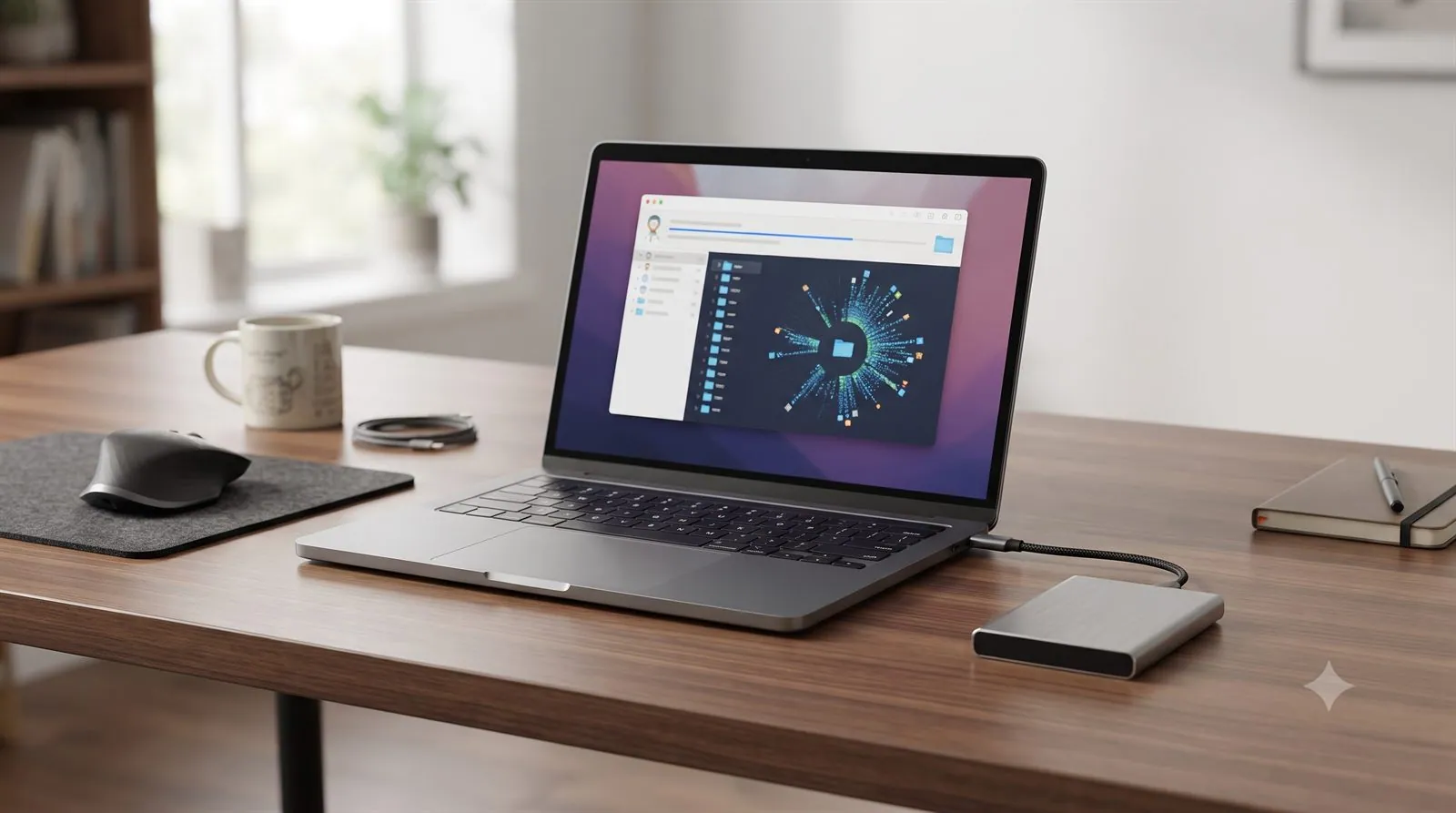
Simple steps to recover a formatted drive
1. Stop using the drive immediately. The most important step. Don't copy new files onto the formatted drive — every write risks overwriting the recoverable data. Set it aside until you're ready to recover.
2. Connect the drive to a computer. Plug the external drive into a working computer where you can run recovery software. Make sure you have a separate drive (your computer's internal drive, or another external) to recover the files to.
3. Install recovery software on a different drive. Never install onto the formatted drive you're recovering. Good options: Recuva, Disk Drill, PhotoRec, or TestDisk (all Windows; Disk Drill, Data Rescue and PhotoRec on Mac).
4. Run a deep scan. Choose the formatted drive and run a full/deep scan. The software searches for recoverable files by their remnants and by signature, finding documents, photos, videos and more.
5. Preview and recover to a separate drive. Select the files you want and save them to your separate drive — never back to the formatted drive, which would overwrite other recoverable data.
6. Verify the recovered files. Open a selection to confirm they're intact. Occasionally a partly-overwritten file comes back corrupted, so check before assuming you're done.
That's it — six simple steps that recover most formatted external drives, provided you acted before the drive was overwritten.

What reduces your chances
A few things hurt formatted-drive recovery:
- Writing new data to the drive after formatting — the number-one way recoverable files get overwritten.
- Recovering onto the same drive you're scanning, which overwrites other recoverable data.
- A full format (vs quick), which can overwrite more of the data.
- Waiting — the sooner you recover, the better, especially if the drive gets any use.
The moment you realise you've formatted a drive with important files, stop using it entirely. Every file you save onto it can overwrite what you're trying to recover. If DIY software fails on irreplaceable data, get it assessed. See our external hard drive recovery service.
When to call a lab
Call a lab when DIY software fails on irreplaceable data, when the drive was full-formatted and partly overwritten, or when the drive is also physically failing (clicking, not detected). Labs can recover from formatted drives that software can't and image a failing drive safely. Because continued use overwrites recoverable data, stopping early after a format protects your files.
CBL's ISO-certified lab recovers data from formatted external drives — free diagnosis, fixed quote before any work.
- WhatsApp: +65 8127 7508
- Call: +65 6588 0261

How to avoid accidental formatting
- Double-check the drive letter/name before formatting anything — formatting the wrong drive is a common, costly mistake.
- Copy and verify data off a drive before intentionally formatting it. See our guide to reformatting without losing data.
- Decline "format the disk" prompts for a drive that shows as RAW if you want the data — recover first.
- Keep a backup, so a format is never a disaster. See our data backup tactics.