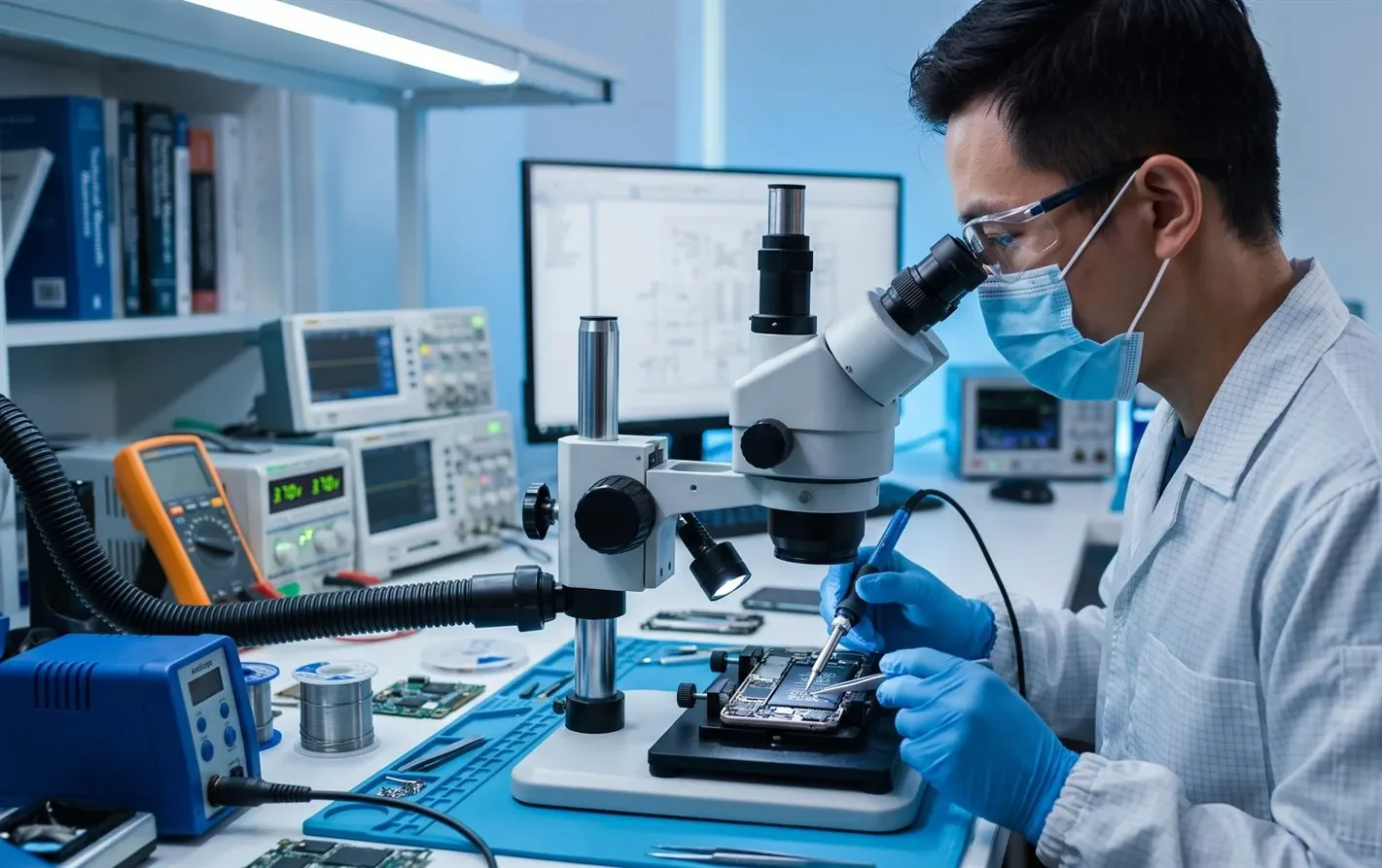
Losing photos, messages or files on an Android phone is stressful — but before you pay for anything, it's worth knowing which free tools can genuinely help, and which are just trial versions that ask for money the moment they find your files. This guide from CBL Data Recovery Singapore ranks the seven best free Android data-recovery options for 2026, explains what each realistically recovers, and — just as importantly — where free software hits a wall and a lab becomes the smarter choice.
Before you install anything: two rules
Free recovery tools can help, but only if you don't sabotage your own chances first. Two rules matter more than any app you choose:
- Stop using the phone immediately. When a file is deleted, the space it used is marked free and gets overwritten as you take photos, install apps or receive messages. The longer you keep using the phone, the less there is to recover.
- Recover to a different location. Never save recovered files back onto the same phone or SD card you're scanning — that can overwrite the very data you're trying to save.
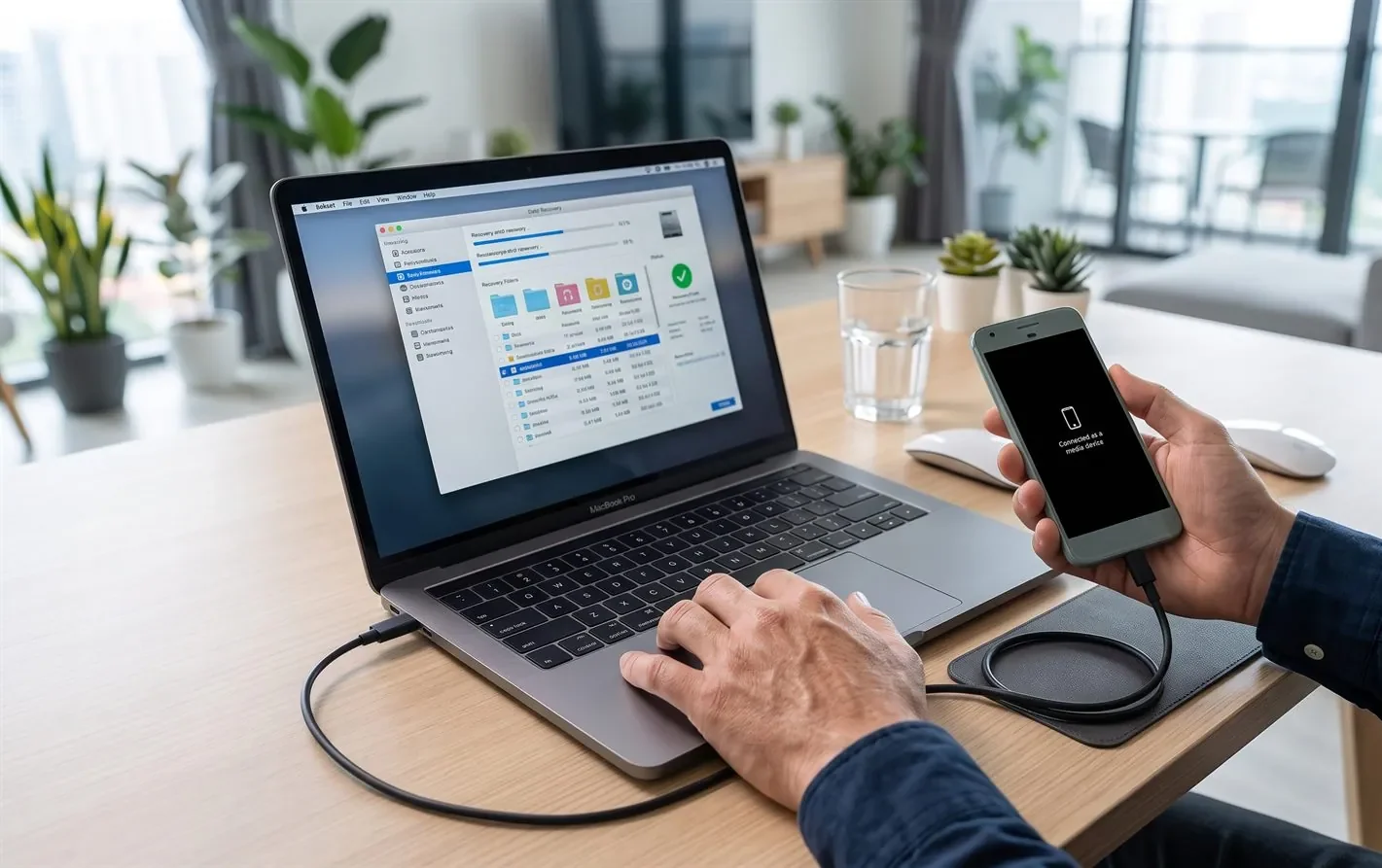
The 7 best free Android data recovery tools
1. Google Photos & Google One backup — start here. Not a "recovery tool" in the classic sense, but the first place to look. Deleted photos sit in Google Photos' Trash for 60 days, and if Google One backup was on, contacts, messages and app data may be restorable too. Free, official, and it solves most cases instantly.
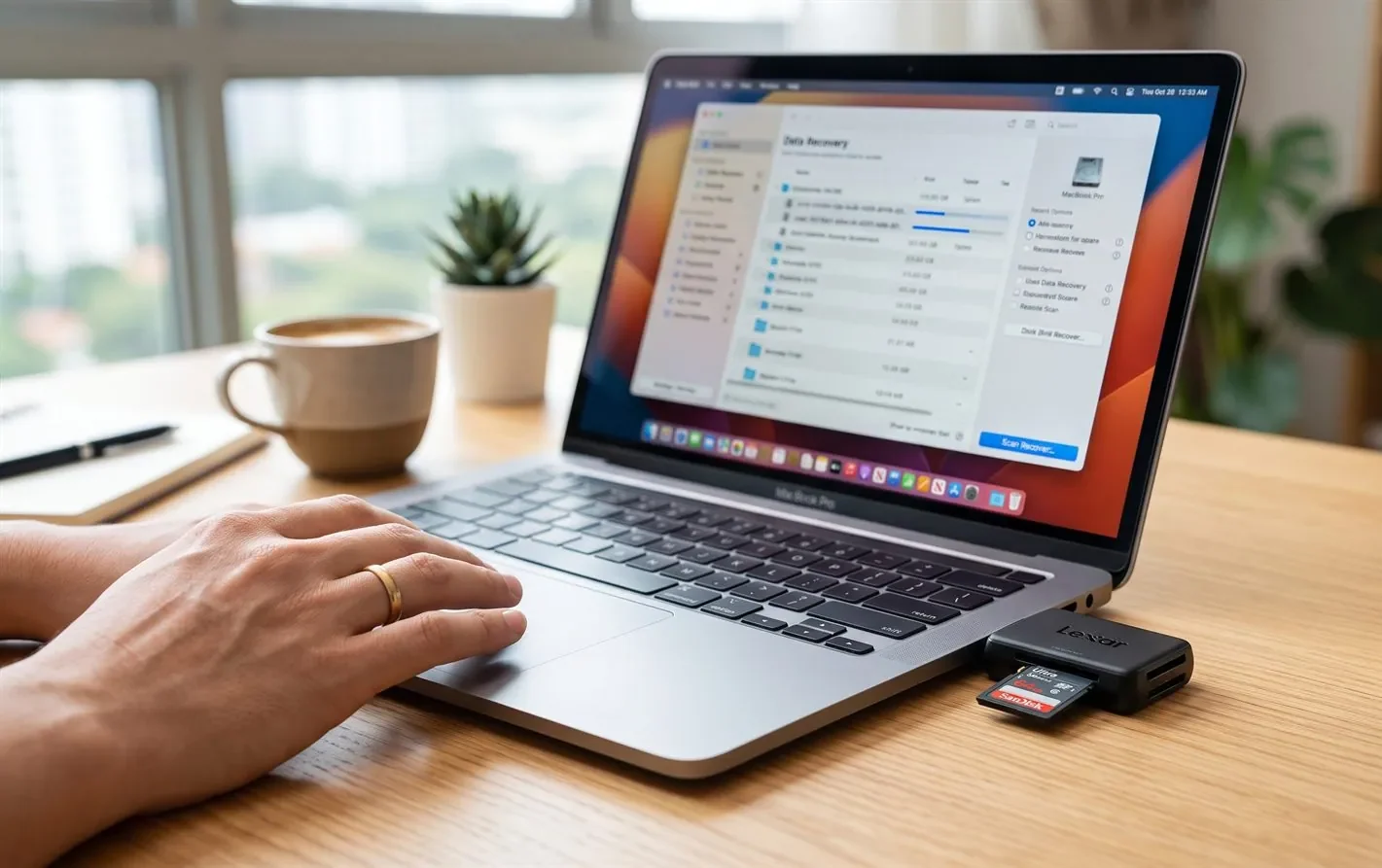
2. Recuva (for SD cards) — best for memory cards. If your Android photos were on a microSD card, pop it into a PC with a card reader and scan it with Recuva. It's free, reliable, and cards are far more recoverable than phone internal storage. Recover to your computer, not back to the card.
3. Disk Drill (free tier) — best interface. Disk Drill's free version scans connected drives and SD cards and previews recoverable files before you commit. The free tier has recovery caps, but for a memory card it's one of the friendliest tools available.
4. PhotoRec — most powerful, free and open-source. PhotoRec is a completely free, open-source engine that recovers hundreds of file types from SD cards and USB storage. It's plain-looking but extremely capable — the same technology many paid tools are built on. Ideal for cards and external media.
5. Tenorshare / Dr.Fone / EaseUS MobiSaver — free scans, paid recovery. These popular Android tools offer a free scan and preview so you can see what's recoverable, but charge to actually export the files. Useful to confirm your data is still there before deciding whether to pay.
6. Undeleter / DiskDigger (Android app) — for rooted phones. DiskDigger can scan an Android device directly. On a non-rooted phone it mostly recovers cached thumbnails; a full scan of internal storage needs root access, which carries its own risks. Handy for quick photo-cache recovery without a PC.
7. Your device backups (Samsung, Xiaomi, etc.) — the free win everyone forgets. Samsung Cloud, Mi Cloud and manufacturer backup apps often hold a recent copy of your photos, contacts and messages. Check these before assuming your data is gone — it's the easiest free recovery there is.
Quick comparison
| Tool | Best for | Free recovery? | Needs a PC? |
|---|---|---|---|
| Google Photos / One | Deleted photos & backups | Yes | No |
| Recuva | SD card recovery | Yes | Yes |
| Disk Drill | Easy card scanning | Limited | Yes |
| PhotoRec | Powerful card/USB recovery | Yes | Yes |
| Tenorshare / Dr.Fone | Preview before paying | Scan only | Yes |
| DiskDigger | On-phone photo cache | Yes (limited) | No |
| Samsung / Mi Cloud | Manufacturer backups | Yes | No |
The honest limits of free Android recovery
Free tools are great for the easy wins — a card you can scan, a backup you forgot about, photos still in the Trash. But there are hard limits worth understanding before you spend hours (or your last recovery chance) on DIY software:
- Internal phone storage is largely off-limits without root. Unlike an SD card, a phone's internal storage can't be scanned block-by-block unless the device is rooted — and rooting a phone to recover data can itself overwrite data or brick the device.
- Modern Android encrypts everything. Like iPhones, current Android phones use full-device encryption and TRIM, which actively wipes deleted blocks. Truly-deleted files on a healthy modern phone are often unrecoverable by any software.
- Software can't fix hardware. If the phone is dead, water-damaged, or the storage chip has failed, no app can help — the data has to be reached physically. That's lab work.
If your phone is physically damaged, won't turn on, or the files are irreplaceable, don't keep running scan-after-scan or attempt rooting. Each attempt can reduce what's recoverable. This is the point to talk to a lab. See our Android and mobile phone data recovery service.
When a professional lab is the smarter choice
There's no shame in DIY for a simple case — but for a damaged phone or genuinely important data, a lab is often cheaper in the end, because a failed DIY attempt can make professional recovery impossible.
CBL's cleanroom lab recovers data from dead, water-damaged and failed Android phones and SD cards — free diagnosis, fixed quote, and you approve the price before any work.
- WhatsApp: +65 8127 7508
- Call: +65 6588 0261