
Our phones hold more irreplaceable data than any other device — photos, messages, contacts, app data — and losing it is one of the most stressful things that can happen. Before you pay for the first "recovery" app you find, it's worth knowing which mobile data recovery software actually works, and, crucially, where modern phones make recovery impossible no matter what any app promises.
This guide from CBL Data Recovery Singapore covers the best mobile data recovery software for Android and iPhone in 2026 — free and paid — and when a lab is the smarter choice.
Read this before you install anything
Two truths shape every phone recovery:
- Stop using the phone. Deleted data survives only until something overwrites it. New photos, apps and messages reduce your chances by the minute.
- Modern phones are hostile to recovery software. Both current iPhones and Android phones use full-device encryption and TRIM, which actively erase deleted data. On a healthy modern phone with no backup, truly-deleted files are usually gone. This is the single most important fact — and the reason so many "deep scan" apps overpromise.
Where recovery software genuinely helps: memory cards and backups, cached copies, and confirming what's recoverable before you decide to pay. Let's look at the best tools by platform.
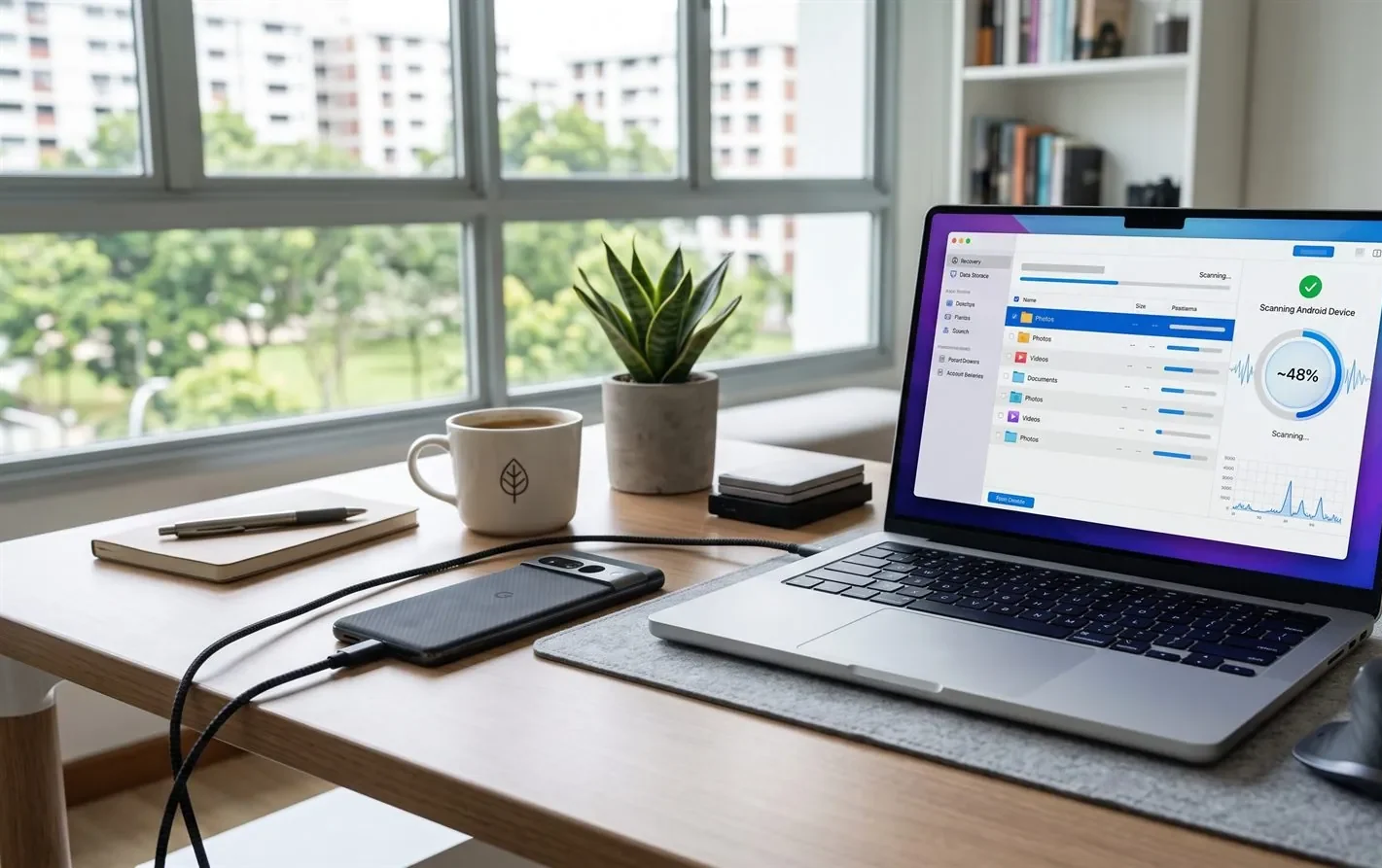
Best iPhone data recovery software
1. Dr.Fone (iOS) — best all-rounder. Scans an iPhone or its backups for recoverable photos, messages and contacts, with a preview before recovery. Works best with an existing iTunes/iCloud backup to pull from.
2. Tenorshare UltData — best backup extractor. Strong at recovering specific data types from iPhone backups and, in limited cases, the device. Its free scan lets you see what's recoverable first.
3. iMazing — best for browsing and exporting backups. Not a "deep scan" tool, but excellent at extracting individual messages, photos and files from your iPhone backups — often the most realistic route to getting iPhone data back.
4. EaseUS MobiSaver — best free iPhone scan. Offers a free scan and preview of recoverable data from an iPhone or backup, useful to confirm your data exists before paying.
Best Android data recovery software
5. DiskDigger — best on-device Android tool. Scans an Android phone directly. On a non-rooted phone it mainly recovers cached photo thumbnails; a full scan of internal storage needs root. Handy for quick photo-cache recovery.
6. Dr.Fone (Android) — best guided Android recovery. A step-by-step tool for recovering photos, messages and contacts, most effective on rooted devices or from Google backups.
7. Tenorshare / iMobie PhoneRescue — best broad Android support. User-friendly tools with free scans, good for previewing recoverable content across a range of Android devices.
8. Recuva & PhotoRec (for the SD card) — best free option. If your Android data was on a microSD card, remove it and scan it from a PC with Recuva (easy) or PhotoRec (powerful, free). Cards are far more recoverable than phone internal storage.

The honest limits (what no app will tell you)
We'd rather you keep your money than waste it on false hope:
- Internal phone storage without root/backup is usually a dead end. Encryption and TRIM mean deleted files on a healthy modern phone are typically unrecoverable by software. Apps claiming to "deep scan" a locked, healthy iPhone for long-deleted data are, in the vast majority of cases, misleading.
- A free scan that "finds" your files, then charges to recover them, is a common model — the preview is useful, but it doesn't guarantee the recovered file is intact.
- Rooting to recover data is risky. The rooting process itself can overwrite data or brick the phone. Weigh that carefully.
- Software can't fix hardware. A dead, water-damaged or non-booting phone needs physical lab work, not an app.
If your phone is damaged, won't turn on, or the data is irreplaceable, don't keep installing and running recovery apps — each attempt can reduce what's recoverable. That's the point to talk to a lab. See our iPhone & mobile data recovery service.
When a lab is the right choice
For a damaged or dead phone, irreplaceable data with no backup, or after DIY apps have failed, a professional lab is the safer route. Labs can work on a phone at board level to reach the storage, and can work with the encryption model that DIY tools can't. A failed DIY attempt can make professional recovery impossible, so for anything critical, it's worth stopping early.
CBL's cleanroom lab recovers data from failed and damaged Android phones and iPhones — free diagnosis, fixed quote before any work.
- WhatsApp: +65 8127 7508
- Call: +65 6588 0261

How to give yourself the best chance of recovery
Whether you use software or a lab, what you do in the first minutes after losing data hugely affects the outcome:
- Put the phone down. The instant you notice data is missing, stop using it — no new photos, no app installs, no messages. Every write can overwrite what you're trying to recover.
- Switch on airplane mode. This freezes cloud sync before a deletion propagates everywhere and before new data downloads in the background.
- Check your backups and clouds first. Google Photos, iCloud, Samsung Cloud, Mi Cloud and manufacturer backups are the fastest, safest recovery — always look here before any scanning app.
- For SD-card data, remove the card. Take it out and scan it from a computer rather than shooting more photos onto it. Cards are the most recoverable media there is.
- Don't power-cycle a damaged phone. If it's water-damaged or won't boot, repeatedly turning it on can cause more harm. Leave it off and get it assessed.
- Never save recovered files back to the same device. Recover to a computer or a different drive so you don't overwrite other recoverable data.
The real lesson: back up before you need to recover
Every recovery guide ends the same way, because it's true: the only guaranteed way to protect phone data is a backup you make before disaster strikes. Turn on automatic cloud backup, keep a second copy of your photos in another service, and occasionally confirm it's working. Recovery software and labs are the safety net for when that fails — but a good backup means you rarely need the net at all. For a full plan, see our data backup tactics.