
A point-of-sale system is the nervous system of a retail business. It rings up sales, tracks inventory, holds customer records, and feeds your accounting. So when a POS terminal or the back-office server behind it fails, the damage is immediate: you can't take payment, you can't see stock, and days or weeks of transaction history may be locked inside a dead drive. This guide explains how retail and POS data recovery works in 2026 — what fails, what's recoverable, what to do first, and how to keep it from happening again.
From the engineers at CBL Data Recovery Singapore, who recover retail and server data for shops, F&B outlets, and chains every week.
What "POS data loss" actually means
POS data rarely lives in one place. A typical setup has data spread across:
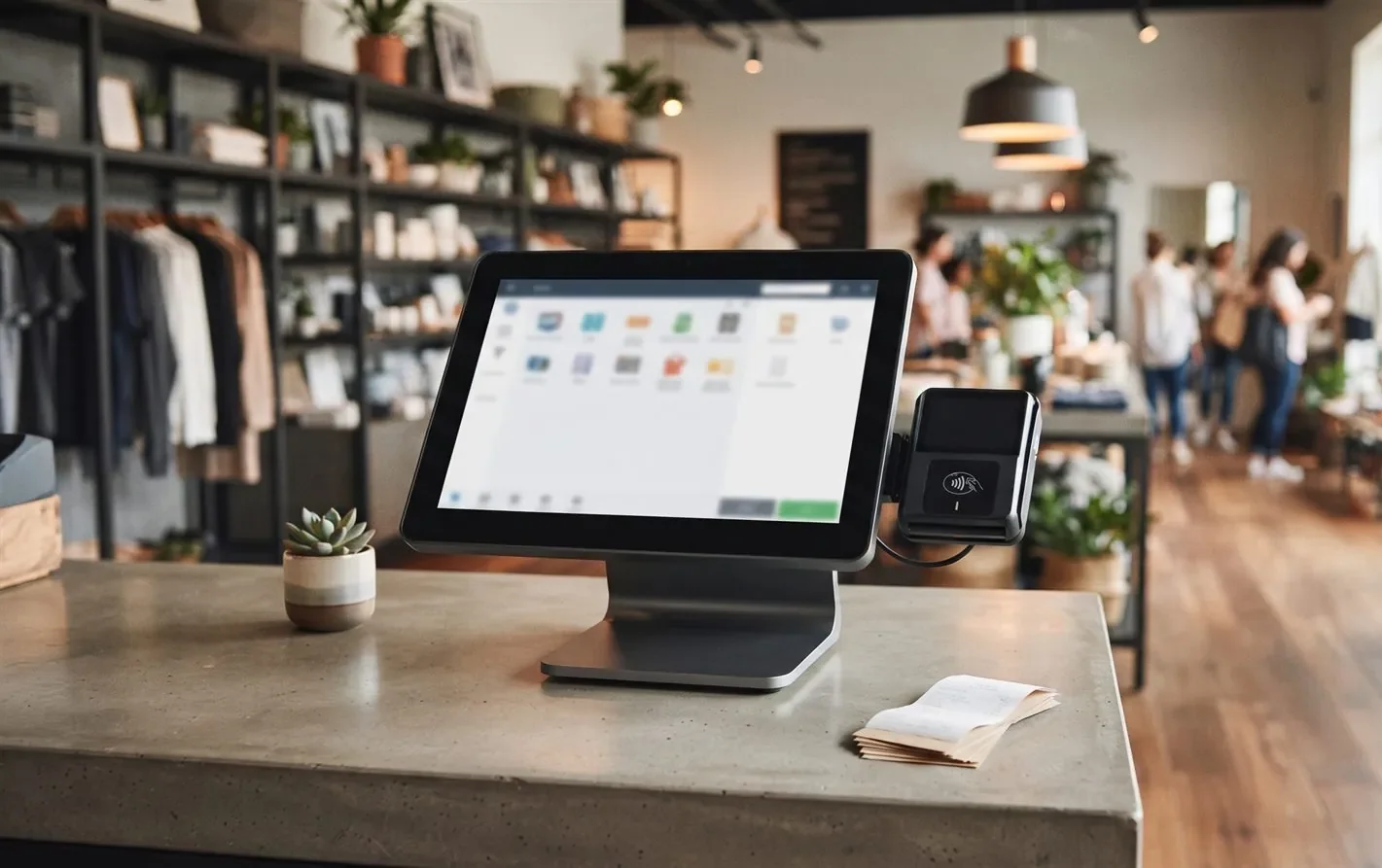
- The terminal itself — a small PC or tablet running the POS app, often with a local database of recent transactions.
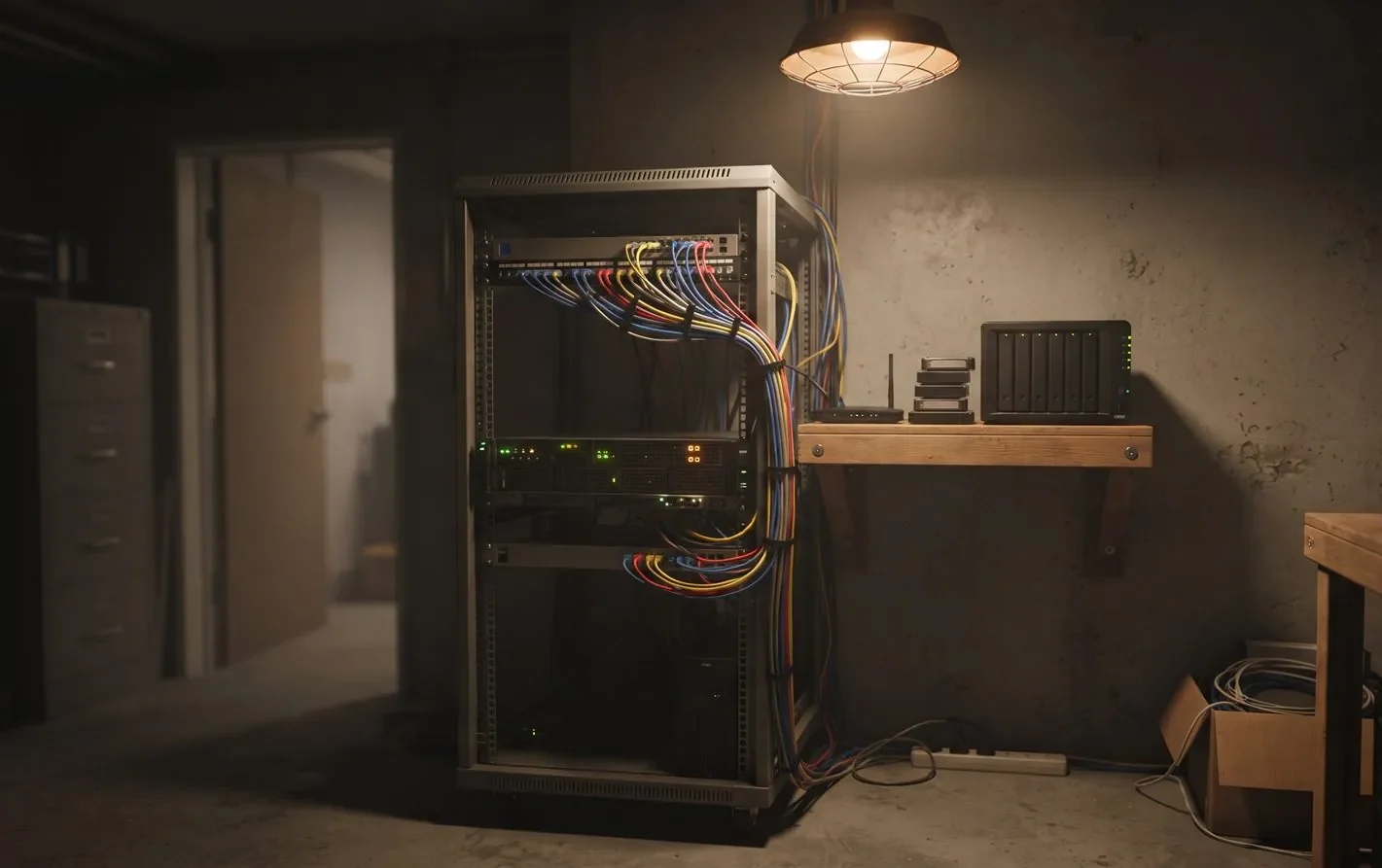
- A back-office server or NAS — where the master database, inventory, and reporting live, sometimes on a RAID array.
- The cloud — many modern POS platforms sync to a vendor's cloud, but syncing is not the same as a backup, and offline periods create gaps.
When people say they've "lost their POS data," it's usually one of these that failed — most often the terminal's drive or the back-office server.
Why POS systems fail
Retail hardware lives a hard life. The common failure causes we see:
- Heat and dust. Terminals sit in warm, dusty environments — behind counters, near kitchens — running 12+ hours a day. Heat kills drives.
- Power issues. Surges, brownouts, and staff pulling the plug at closing time corrupt databases mid-write.
- Cheap or worn storage. Budget terminals ship with low-endurance drives that wear out under constant transaction logging.
- RAID degradation on servers. Back-office servers often run RAID, and a RAID that loses two disks (or rebuilds onto a bad one) can take the whole database down.
- Ransomware. Retail chains are a growing target; an attack can encrypt the POS database and every backup it can reach.
What's recoverable
The honest answer: usually a lot, if you stop using the failed device quickly.
- Logical corruption (the database won't open, the terminal boots to an error) normally means the data is intact behind a damaged file system or database file — recoverable in most cases.
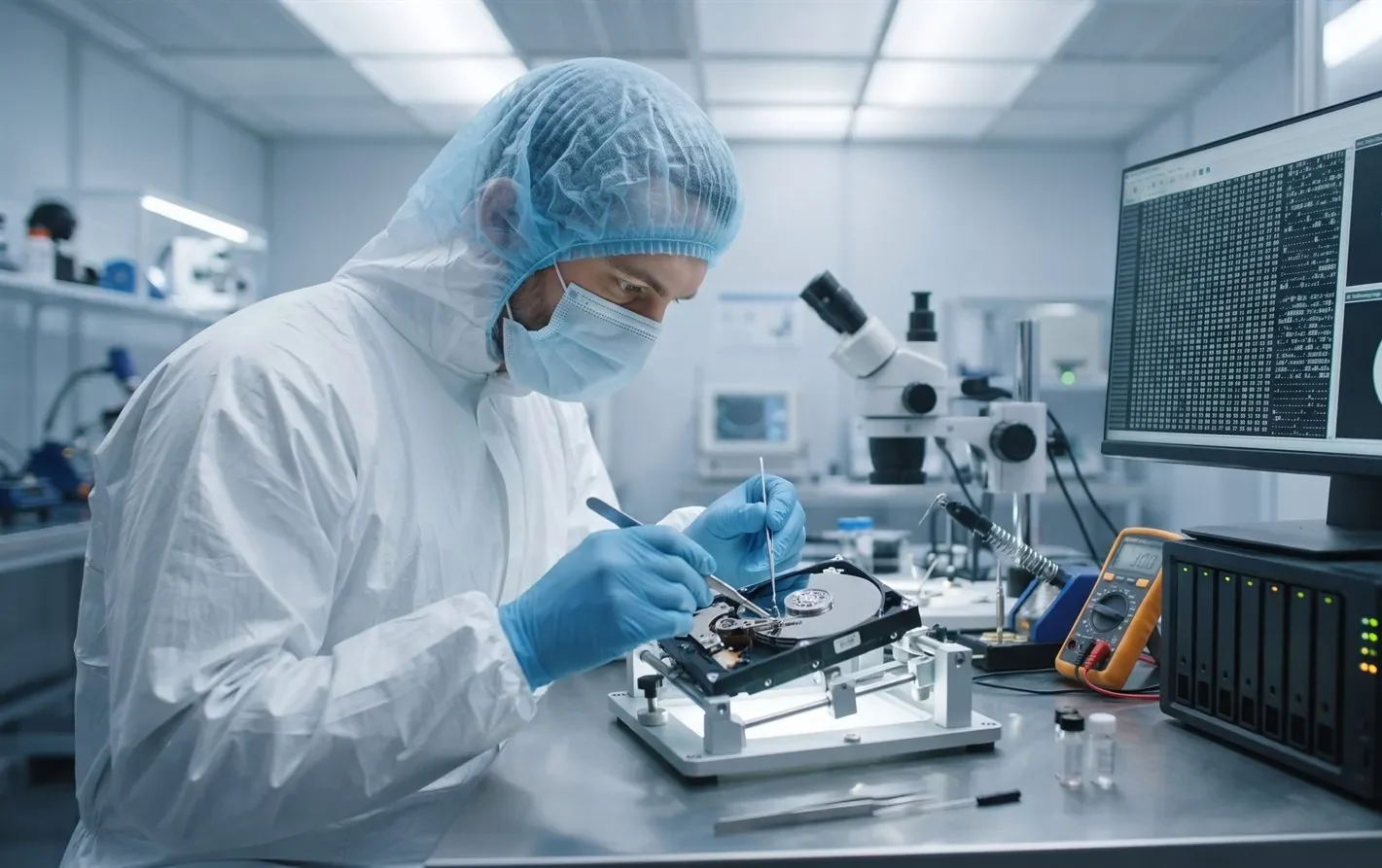
- Physical drive failure (clicking, not detected, dead) needs lab work, but the data on the platters or memory chips usually survives the failure that stopped the drive.
- RAID failure on a server is recoverable when the array is handled correctly — the key is not to force a rebuild onto failing disks, which can overwrite good data.
The first steps when a POS system fails
What you do in the first hour matters more than anything else:
- Stop transacting on the failed device. Every new write can overwrite recoverable data. Switch to a backup terminal or manual records.
- Don't let anyone "fix" it by reinstalling. Reinstalling the POS software or reformatting the drive to "get it working again" often destroys the old database.
- Power the device down if a drive is making unusual noises (clicking, buzzing) — running a physically failing drive makes things worse.
- Don't force a RAID rebuild. If a server array is degraded, stop and get advice before rebuilding.
- Preserve any backups exactly as they are — don't overwrite last night's backup with today's broken state.
The most common way retailers lose their transaction history is a well-meaning staff member reinstalling the POS software or reformatting the terminal to bring it back online for the next customer. That overwrites the old database. If the data matters, take the device out of service and get a diagnosis first. See our server data recovery and RAID recovery services.
DIY vs professional recovery
For a single terminal with a logical error and no physical damage, careful DIY recovery software (run against a copy, never the original) can work. But retail data has two features that push most cases toward a lab:
- It's often on RAID or a server, where a wrong move destroys the array.
- It's business-critical and time-sensitive — you can't afford to experiment while the shop can't trade.
A lab can image the failed drives, rebuild the array virtually, and extract the database without risking the originals — usually faster and far safer than trial-and-error on live hardware.
Preventing the next outage
Recovery is the cure; these are the prevention habits that keep you out of the lab:
- Automated, tested, off-site backups. A backup you've never restored is a guess. Test it monthly.
- A UPS on every terminal and server. Clean shutdowns prevent most database corruption.
- Don't rely on cloud sync as your only copy — keep a local backup too, for the days the internet is down.
- Replace worn terminal drives on a schedule rather than waiting for them to fail mid-sale.
- Segment and patch to reduce ransomware exposure across your store network.
When to call a lab
Call a recovery lab when the back-office server or its RAID array fails, when a terminal drive is physically dead or clicking, when DIY software can't open a corrupted database, when ransomware has hit the POS system, or simply when the data is irreplaceable and the shop needs to be trading again fast. A lab performs drive imaging, RAID reconstruction, and database extraction, and stopping early protects what's recoverable.
CBL's cleanroom lab recovers data from failed POS terminals, retail servers, and RAID arrays — free diagnosis, fixed quote before any work.
- WhatsApp: +65 8127 7508
- Call: +65 6588 0261
The bottom line
A POS failure feels like an emergency because it is one — but the data is usually recoverable if you act fast and resist the urge to "just reinstall." Take the failed device out of service, preserve your backups, and get a diagnosis. Then fix the underlying cause — heat, power, worn drives, or an untested backup — so the next busy weekend doesn't end with a dead till.