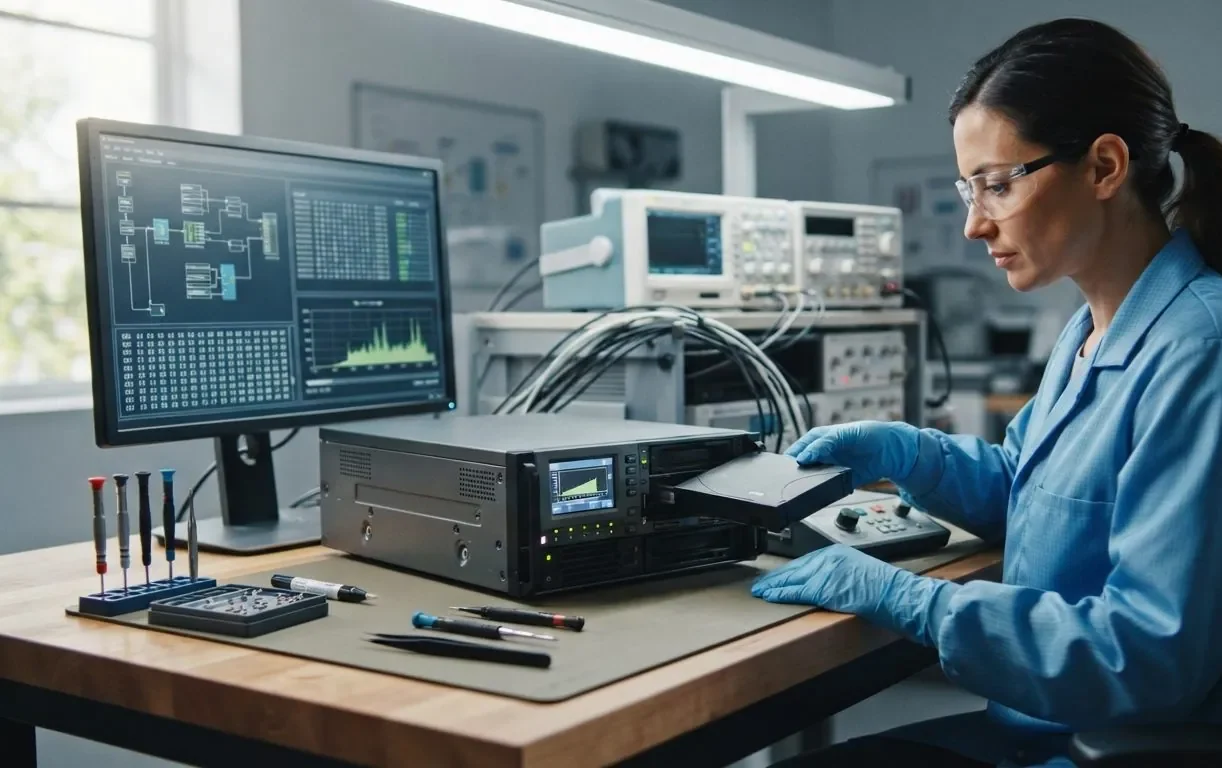
LTO (Linear Tape-Open) tape is the quiet workhorse of business data protection — the medium of choice for archives, compliance retention, and, increasingly, ransomware-proof offline backups. It's remarkably reliable, but tapes and tape drives do fail, and when they do, business-critical data can end up trapped on a cartridge no drive will read. The good news is that tape data is often recoverable, and most tape failures are preventable. This guide explains how LTO tape drive data recovery works in 2026, why tapes fail, and the preventive measures that keep your archives safe.
From the engineers at CBL Data Recovery Singapore, who recover data from tape.
Why LTO tape is worth protecting
Modern LTO cartridges store many terabytes each, last for decades when stored properly, and — because a tape removed from the drive is physically disconnected — provide a naturally air-gapped copy that ransomware cannot reach. That's why organisations rely on tape for long-term retention and disaster recovery. But this value also raises the stakes: when a critical tape or drive fails, the data trapped on it may be irreplaceable, which is exactly why professional tape recovery exists.
Why LTO tapes and drives fail
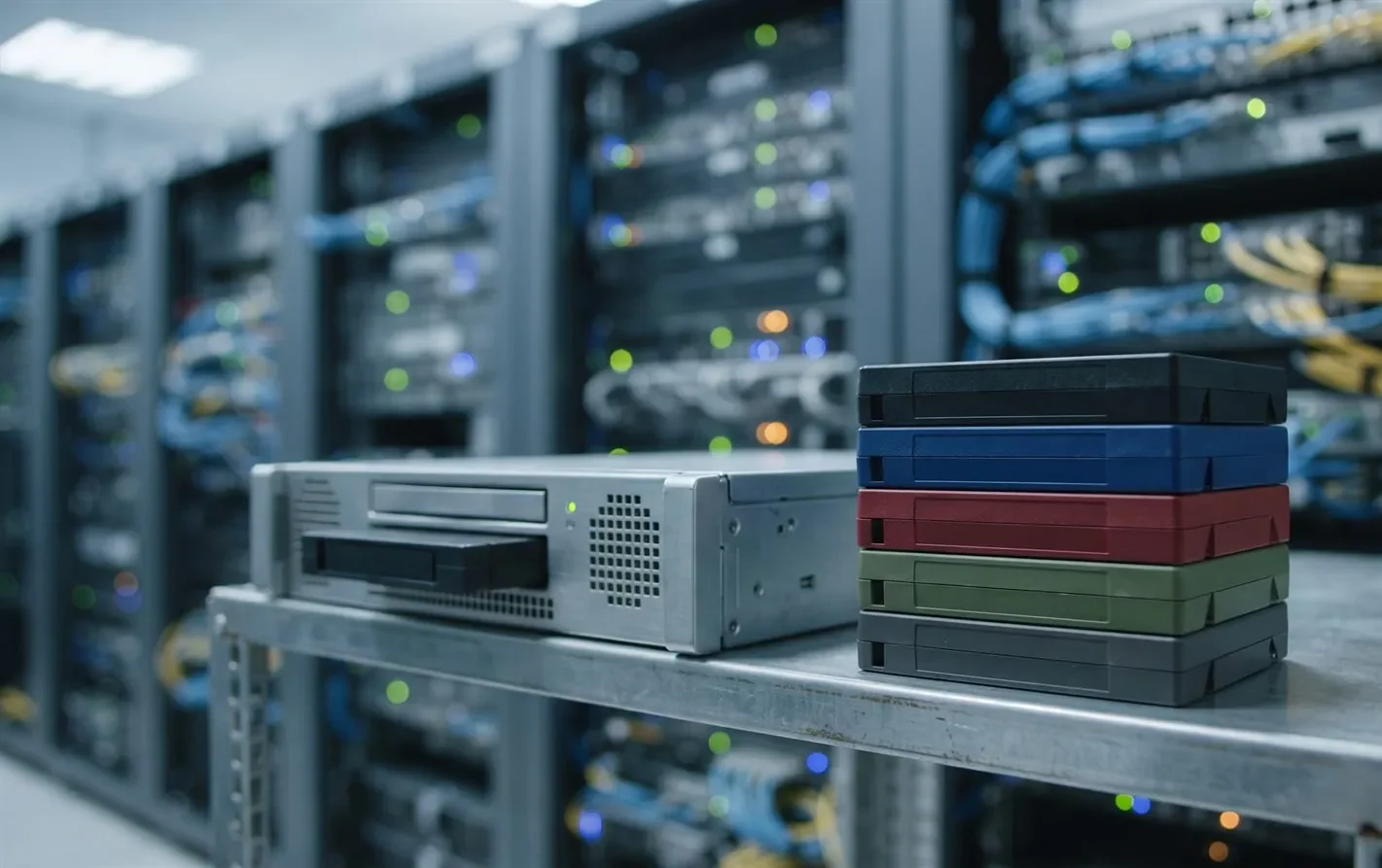
Despite their reliability, tape systems fail in several ways:
- Physical tape damage — a snapped, creased, or stretched tape, often from a drive fault or mishandling.
- Tape drive failure — a malfunctioning drive can damage tapes it loads, or simply stop reading them.
- Accidental overwriting — a tape reused or overwritten before its data was migrated.
- Media degradation — very old tapes, or tapes stored in poor conditions (heat, humidity), can degrade.
- Format/compatibility issues — data written on old LTO generations may be unreadable on current drives, since LTO drives only read back a limited number of generations.
- Logical corruption — backup catalog or file-system corruption on the tape.
Most of these are recoverable by a lab with the right equipment — even a physically damaged or "unreadable" tape often still holds its data.
How LTO tape recovery works
Tape recovery is specialist work that shouldn't be attempted with a failing drive:
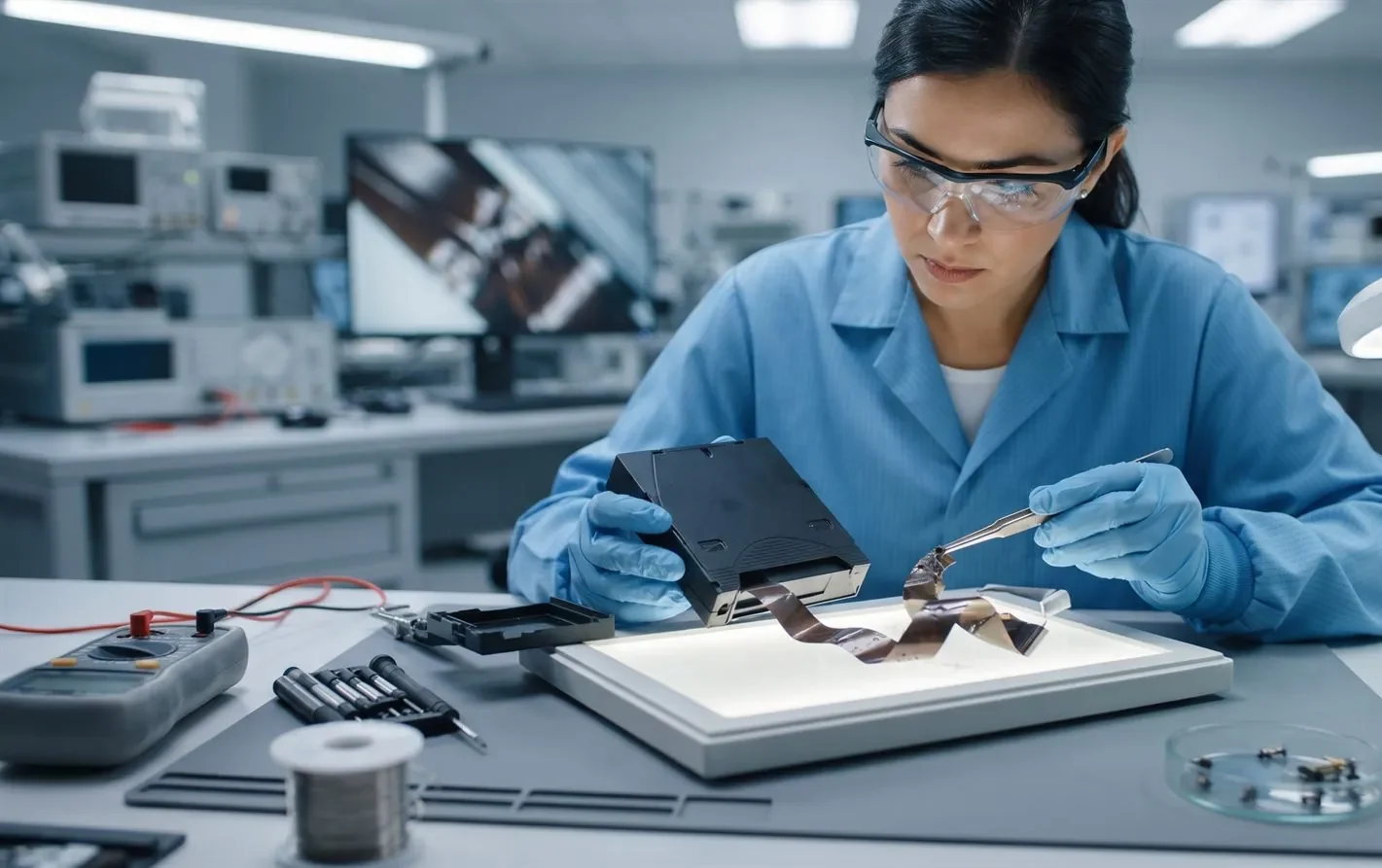
- Physical repair. Labs repair snapped, creased, or damaged tapes — carefully splicing and handling the media in a controlled environment so it can be read.
- Reading on the correct hardware. Old-generation tapes are read on compatible drives that current hardware can't use, and problem tapes are read on specialist equipment tuned to recover marginal media.
- Rebuilding the data. Once the tape is readable, engineers extract the backup and reconstruct the files or catalog, even from corrupted or partial backups.
The key point: don't keep loading a damaged tape into a drive — a failing drive can further damage the tape, and forcing a marginal tape can worsen creasing or stretching. Stop and get it assessed.
Preventive measures for tape
Most tape data loss is preventable with good practices:
- Store tapes properly — in controlled temperature and humidity, upright, away from magnetic fields. Proper storage is the biggest factor in tape longevity.
- Rotate and label tapes systematically, and keep an accurate catalog so you know what's on each.
- Verify backups and test restores — an unverified tape backup is just a hope. Periodically restore a sample to confirm the data is readable.
- Clean the tape drive regularly with the correct cleaning cartridge to prevent read/write errors that damage tapes.
- Migrate ageing data to newer LTO generations before your drives can no longer read the old ones.
- Keep at least one recent tape offline and offsite — the air-gapped, ransomware-proof copy and disaster-recovery insurance.
If a tape is damaged, unreadable, or your drive is faulty, don't repeatedly load it — a bad drive can damage the tape, and forcing a marginal tape worsens the damage. Stop and get it assessed. See our server data recovery service.
When to call a lab
Call a lab when an LTO tape is damaged, unreadable, or physically compromised, when a tape drive has failed with data on the cartridge, when tapes were accidentally overwritten, or when old tapes can't be read on current hardware. Labs have the equipment and expertise to recover tape data that standard drives can't — preserving the archives businesses depend on.
CBL's cleanroom lab recovers data from LTO and other tape formats — free diagnosis, fixed quote before any work.
- WhatsApp: +65 8127 7508
- Call: +65 6588 0261