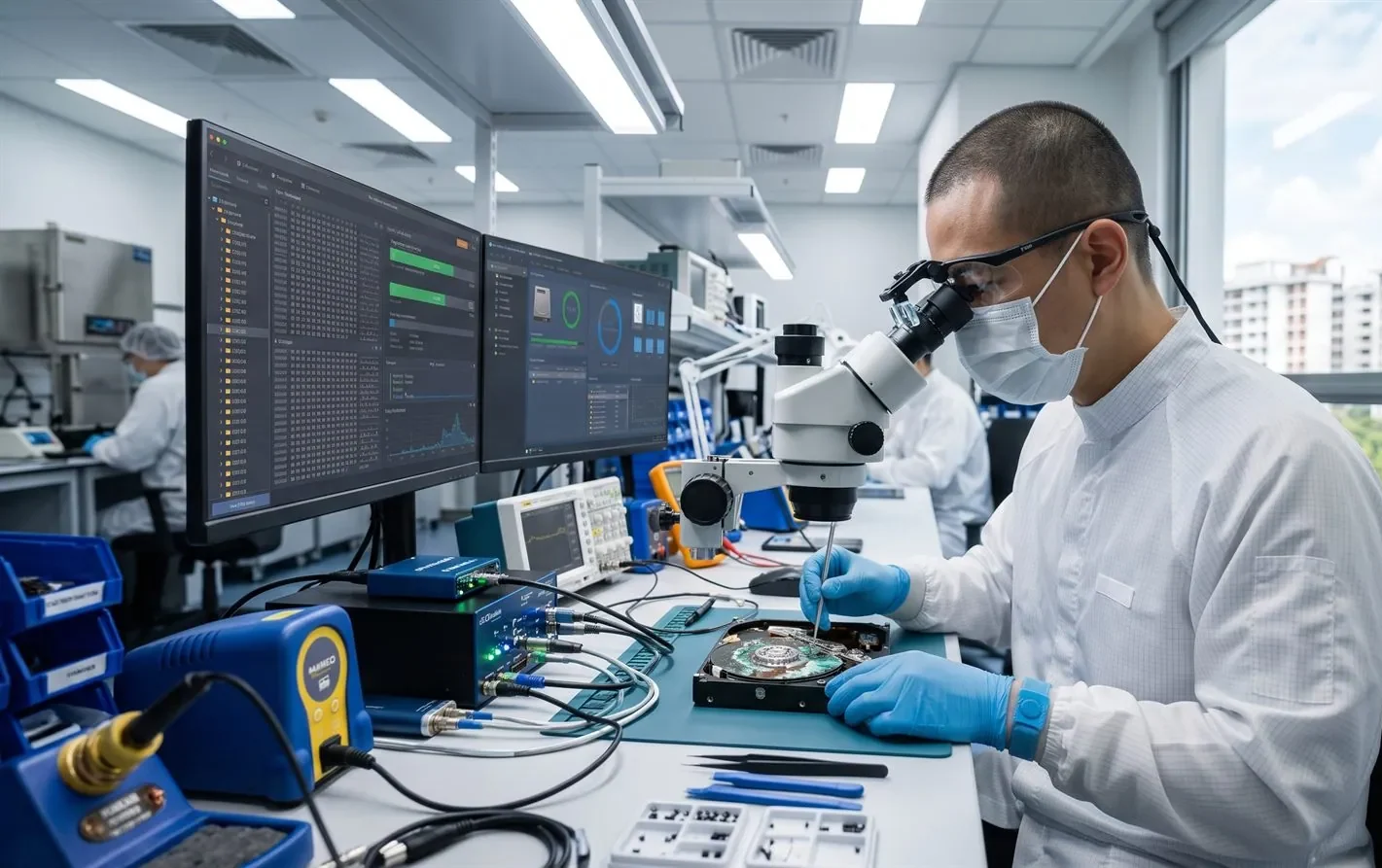
Data recovery is surrounded by folklore — freezer tricks, bags of rice, and confident claims about what's gone forever. Some of these myths are harmless; others actively destroy recoverable data. As a lab that recovers data every day, we've seen the damage a well-meaning myth can do. So let's set the record straight: here are 10 common data recovery myths debunked for 2026, with what actually works instead.
From the engineers at CBL Data Recovery Singapore — where we'd rather you know the truth than lose your files to a myth.
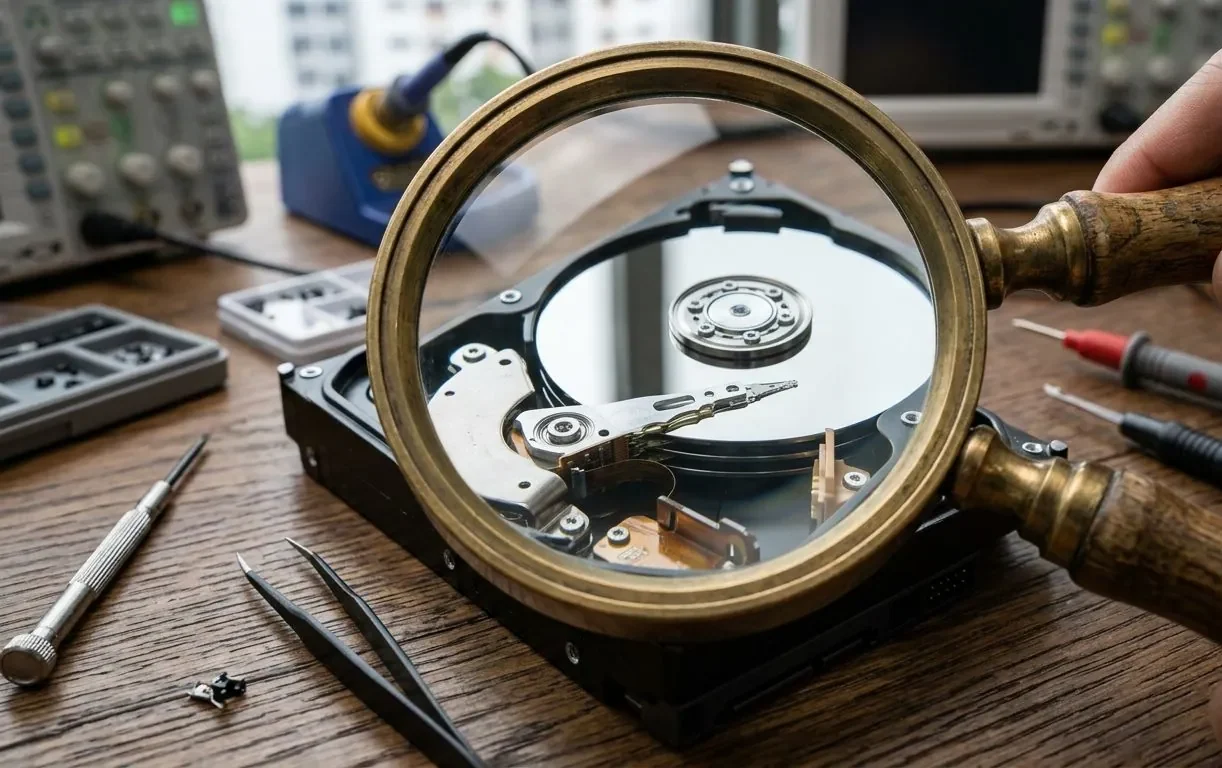
The 10 myths, debunked
Myth 1: "Deleted means gone forever." False. When you delete a file, the system usually just marks its space as free — the data stays until something overwrites it. That's why recovery software and labs can often retrieve "deleted" files. The truth: stop using the drive immediately, and deleted data is frequently recoverable.
Myth 2: "Putting a failing drive in the freezer fixes it." A dangerous myth. Freezing a drive causes condensation, which corrodes the internals and can destroy the platters. Any brief "improvement" is a gamble that usually makes professional recovery harder. The truth: never freeze a drive — it's one of the fastest ways to lose the data for good.
Myth 3: "Rice will fix a water-damaged device." Rice does not draw moisture out of a sealed device, and it does nothing about the corrosion already happening inside. Meanwhile, powering the device on while wet causes real damage. The truth: don't power it on, skip the rice, and get water-damaged devices to a lab quickly — corrosion is time-sensitive.
Myth 4: "If the computer can't see the drive, the data is lost." False. A drive can be undetected for many reasons — a failed controller, firmware corruption, a bad connection — while the data sits perfectly intact. The truth: an undetected drive is frequently recoverable; don't assume the worst.
Myth 5: "DIY software can recover anything." Recovery software is great for logical problems on healthy drives, but it can't fix physical failure, and running it on a clicking or dying drive makes things worse. The truth: software has real limits — on failing hardware, it's a lab job.
Myth 6: "Data recovery is always ridiculously expensive." Cost varies enormously. A simple logical recovery can be inexpensive or even DIY; complex physical recoveries cost more. A reputable lab gives a free diagnosis and a fixed quote so you decide before committing. The truth: you can always find out the price for free before paying anything.
Myth 7: "A clicking hard drive is dead — nothing can be done." Clicking means mechanical trouble, but it doesn't mean the data is gone. In a cleanroom, labs frequently recover data from clicking drives — if you stop using them before more damage occurs. The truth: a clicking drive is often recoverable, but every power-on lowers the odds.
Myth 8: "Formatting erases everything permanently." A quick format (the default) mostly rewrites the file-system index, leaving the actual data recoverable underneath. Even a full format on many drives leaves data retrievable by a lab. The truth: accidentally formatted drives are often recoverable — don't give up, but stop writing to it.
Myth 9: "SSDs never fail, so I don't need a backup." SSDs are reliable but not immortal — controllers fail, cells wear out, and when SSDs die they often fail suddenly and completely, with TRIM making deleted data hard to recover. The truth: SSDs need backups just as much as hard drives, arguably more.
Myth 10: "Any computer shop can recover data from a failed drive." Logical recovery, maybe — but physical recovery requires a cleanroom and specialist equipment. Opening a drive in a normal workshop introduces dust that destroys the platters. The truth: for physical failures, use a proper lab, not a general repair shop.
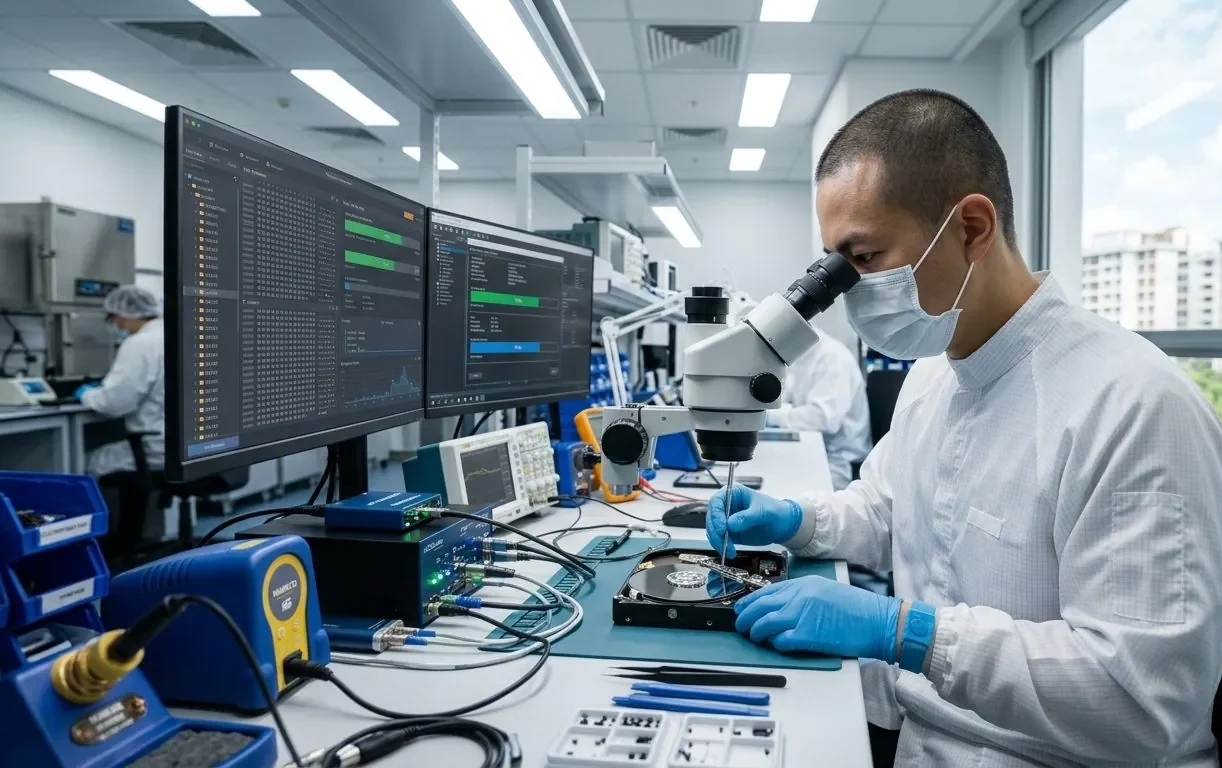
A few more myths worth knowing
The big ten aren't the only ones. These smaller myths trip people up too:
- "Recovery software will make my drive work again." No — recovery software retrieves files; it doesn't repair a failing drive. After recovering your data, a physically failing drive should be replaced, not trusted again.
- "I can just keep using the drive until I get around to recovery." Every hour of use on a failing or post-deletion drive risks overwriting your data. Time is not on your side — the sooner you stop, the more is recoverable.
- "A recovered file is always perfect." Not necessarily. Software can retrieve a file whose contents were partly overwritten, leaving it corrupt. Always open recovered files to confirm they're intact.
- "Cloud storage means I never need to worry." Sync is not backup — a deletion or ransomware attack propagates to the cloud copy. You still need true, versioned backups.
- "Professional recovery always succeeds." No honest lab guarantees success; outcomes depend on the media's condition and whether data was overwritten. Beware anyone promising 100% — reputable labs quote honestly after seeing the device.
- "Bigger, pricier drives don't fail." Capacity and cost have nothing to do with reliability. Every drive, at every price, eventually fails — redundancy is the only real protection.
The common thread across every myth, big or small, is overconfidence — assuming a device is either invincible or beyond hope, when the reality is usually somewhere in between and highly dependent on what you do next.
What actually works
Behind every myth is a sensible truth. Here's what genuinely improves your chances:
- Stop using the affected device the instant you notice a problem. This one habit — preventing overwrites — does more than any trick.
- Don't power on wet, dropped, or clicking devices repeatedly. Each attempt risks the data.
- Don't format, reformat, or run repair tools on a drive whose data you want, especially if it's physically failing.
- Check for a backup first — restoration beats recovery every time.
- For physical failures or irreplaceable data, use a proper lab with a cleanroom, not a myth or a general shop.
The freezer trick, the rice bowl, running "repair" tools on a clicking drive, and reformatting a RAW disk are the four myths that most often turn a recoverable situation into a permanent loss. When in doubt, do nothing and get a diagnosis. See our hard drive recovery service.
The one truth worth remembering
If you take away a single thing, make it this: the less you do to a device after data loss, the better your chances. Nearly every myth involves doing something — freezing, drying, formatting, repairing — that adds risk. The professionals' approach is the opposite: stop, assess, and act carefully. And the ultimate protection against all of it is a good backup, so you rarely need recovery at all. See our data backup tactics.
CBL's cleanroom lab recovers data from failed, clicking and water-damaged drives — free diagnosis, fixed quote before any work.
- WhatsApp: +65 8127 7508
- Call: +65 6588 0261